Photo: Greta Hoffman/Pexels
Everyone should have the food and nutrition they need to thrive. But today, people around the world face hunger in their daily lives, including 48 million in the United States alone. As prices at the grocery store have increased and COVID-era benefits have expired, the number of people facing food insecurity has only grown since 2020
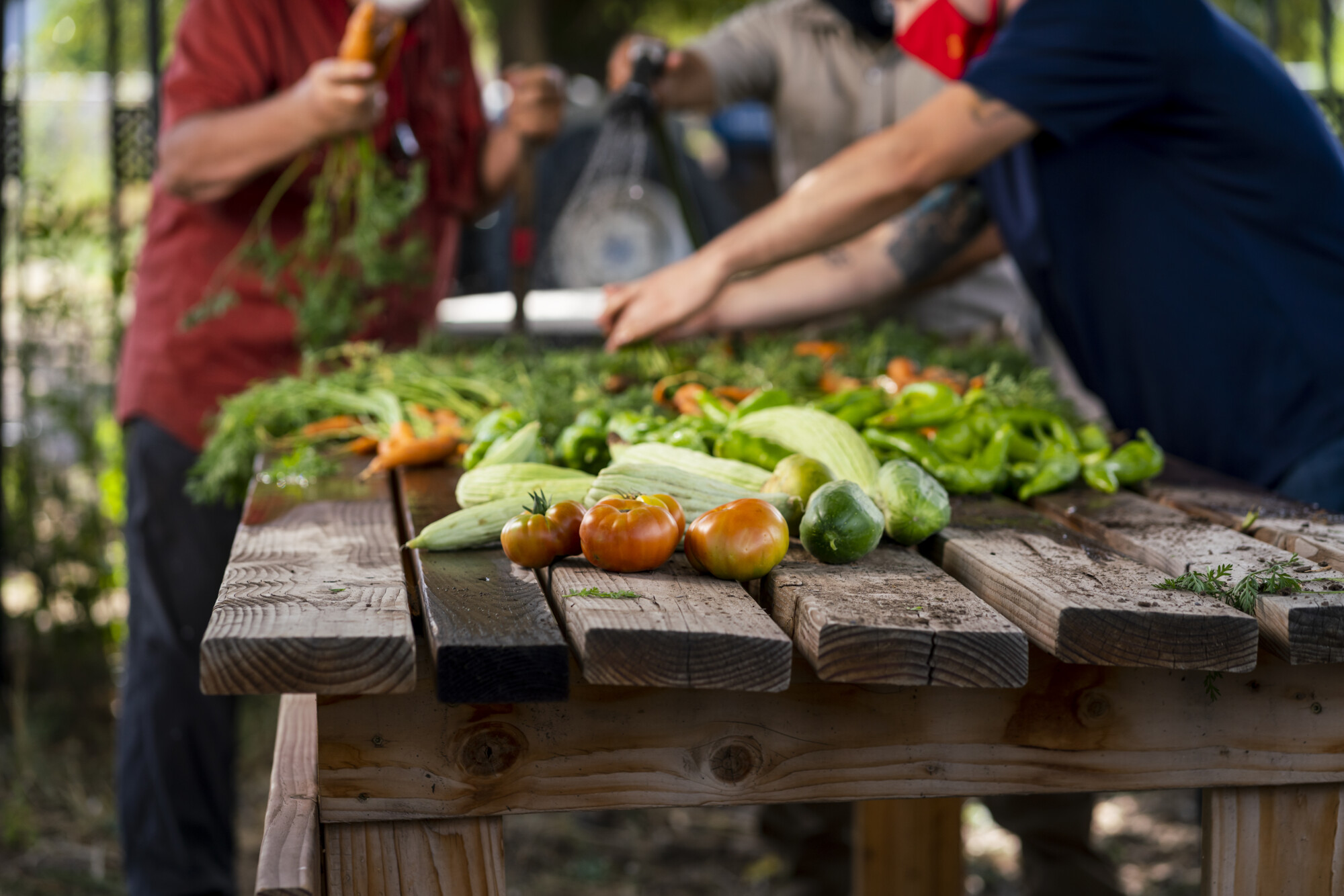
The climate crisis threatens to make this problem even worse. Droughts and floods damage crops, natural disasters like wildfires and hurricanes disrupt harvests, and severe heat threatens the safety of those who grow our food. To ensure that everyone has the ability to feed their families, we must adopt an approach to farming that promotes sustainable agriculture, protects farmworkers and family farmers, and ensures that no one goes hungry.
This is what makes the Farm Bill so important. This massive piece of legislation has a wide-reaching impact on our food system. It includes agricultural subsidies, nutrition assistance, climate resiliency programs, and more. While it is traditionally passed every five years, the 2018 Farm Bill has been repeatedly extended due to Congress’ failure to update it.As Congress debates the newest version of this law, it is vital that they pass a just Farm Bill that provides for everyone’s basic needs and promotes sustainable agriculture to ensure food justice for future generations.
Here’s what you need to know.
1. The Farm Bill is crucial for reducing hunger.
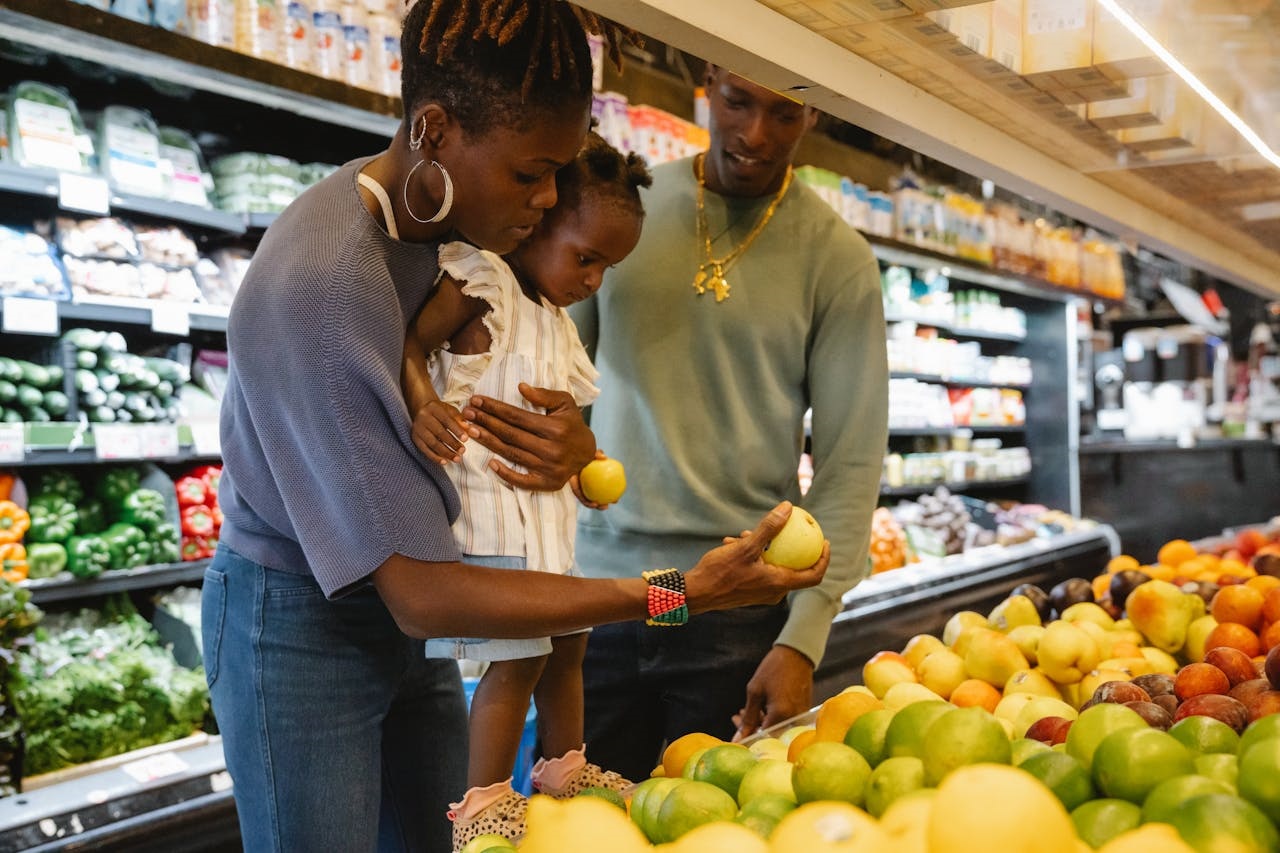
A majority of funding in the Farm Bill goes towards nutrition assistance programs that help low-income people to afford food. These include the Supplemental Nutrition Assistance Program (SNAP), which benefits more than 42 million people each month, along with child nutrition funding and the WIC program for women, infants, and children.
Funding for some of these vital programs was cut by the 2025 “One Big Beautiful Bill Act” (OBBBA) These cuts have already prevented millions of people from accessing basic needs programs like SNAP, yet some in Congress want even deeper cuts to this vital program.
Rather than denying help to those in need, Congress should defend and expand these programs by repealing recent cuts, boosting funding for healthy food and fresh crops, and expanding the value of the benefits so that they provide more than a meager $6.17 per person each day.
International nutrition programs to reduce global hunger are also at risk. Included within the Farm Bill is the Food for Peace program, in which food is purchased from U.S. farmers and provided to millions of people in need around the world in order to prevent famine and starvation. These programs should also be defended and enhanced so that they support sustainable agriculture grown locally within developing countries.
2. Climate-friendly conservation policies are an important part of the Farm Bill.
Another important aspect of the Farm Bill is its effect on climate policy. The bill provides billions of dollars to support land conservation, the U.S. Forest Service, and sustainable agriculture. The Inflation Reduction Act of 2022 expanded on these investments, providing $19.5 billion in funding for conservation programs that reduce greenhouse gas emissions, but some of these funds were rescinded in order to pay for President Trump’s OBBBA. This funding can help farmers in every state to reduce pollution and preserve local ecosystems, a win-win situation in the struggle against climate change.
Agriculture makes up more than 10% of our national greenhouse gas emissions. Finding sustainable solutions to reduce this pollution is key to reducing the damage of climate change in a way that benefits both those growing our food and to those shopping for groceries. The next Farm Bill must invest in these solutions and expand upon climate-friendly agriculture and conservation programs.
3. Corporate greed is undermining the Farm Bill at the expense of small-scale farmers and hungry families.
While Congress is threatening to cut programs in the Farm Bill that are the most beneficial to communities, the same cannot be said about programs that fatten corporate profits. From 2019 to 2023, large agribusiness corporations spent more than half a billion dollars lobbying Congress to secure their priorities. One example is the proposal to increase spending on commodity supports that benefit only a small handful of cash crops. This reform would benefit only 0.3% of farms–farms that are disproportionately run by large agribusinesses.
For years, small and medium-sized farms have suffered under the rapid consolidation of industrial agribusiness, leaving a few powerful corporations to squeeze money out of farmers’ pockets and hollow out local communities. We need a Farm Bill that supports the people working every day to provide our nation with food, instead of funneling money toward big companies and absentee landowners.
To the extent that the government subsidizes our farms, the benefits should go to small and medium-sized farms, sustainable agriculture, and healthy crops–not major corporations, industrial polluters, and profitable commodities. This will require flipping our current system of farm subsidies on its head so that it benefits the little guy rather than big companies and their lobbyists.
4. The Farm Bill must confront and rectify historical inequalities.
The Farm Bill is also important for addressing social inequalities within the United States. The exclusion of Puerto Rico and two other U.S. territories (American Samoa and the Northern Mariana Islands) from the regular SNAP program has contributed to extraordinarily high levels of poverty in these often neglected corners of the country. Hunger is also exacerbated by the exclusion of many low-income people in the U.S. from nutrition assistance, including people with prior drug convictions and immigrants who would otherwise be eligible for assistance.
Meanwhile, past and present discrimination by the U.S. Department of Agriculture has held back Black farmers from achieving the same level of success as their white counterparts. The Inflation Reduction Act aimed to compensate farmers for this historical discrimination, but this effort was weakened by the courts. More work is needed to achieve equality, especially for heir farmers at risk of losing their land.
Advocating for people and the planet
The ways that we grow and distribute our food affect all of us. Everyone deserves to be free from hunger, and sustainable farming is key for accomplishing this goal while also protecting our environment. We need policies that will move us away from a destructive food system that benefits the few, and toward a regenerative system that meets human needs and preserves the health of our planet. To do this, we must make it clear to Congress that we need a just Farm Bill for all.
To provide for real food justice, the next Farm Bill should expand and improve upon both domestic and international nutrition programs to reduce hunger. It should build upon existing successes in promoting sustainable agriculture, instead of weakening them. The new Farm Bill should also support small and medium-size farmers– including Black farmers and others facing discrimination and inequality– instead of propping up big corporations. Together, these ideas can help to spark a transformative change to improve our food system for the better.