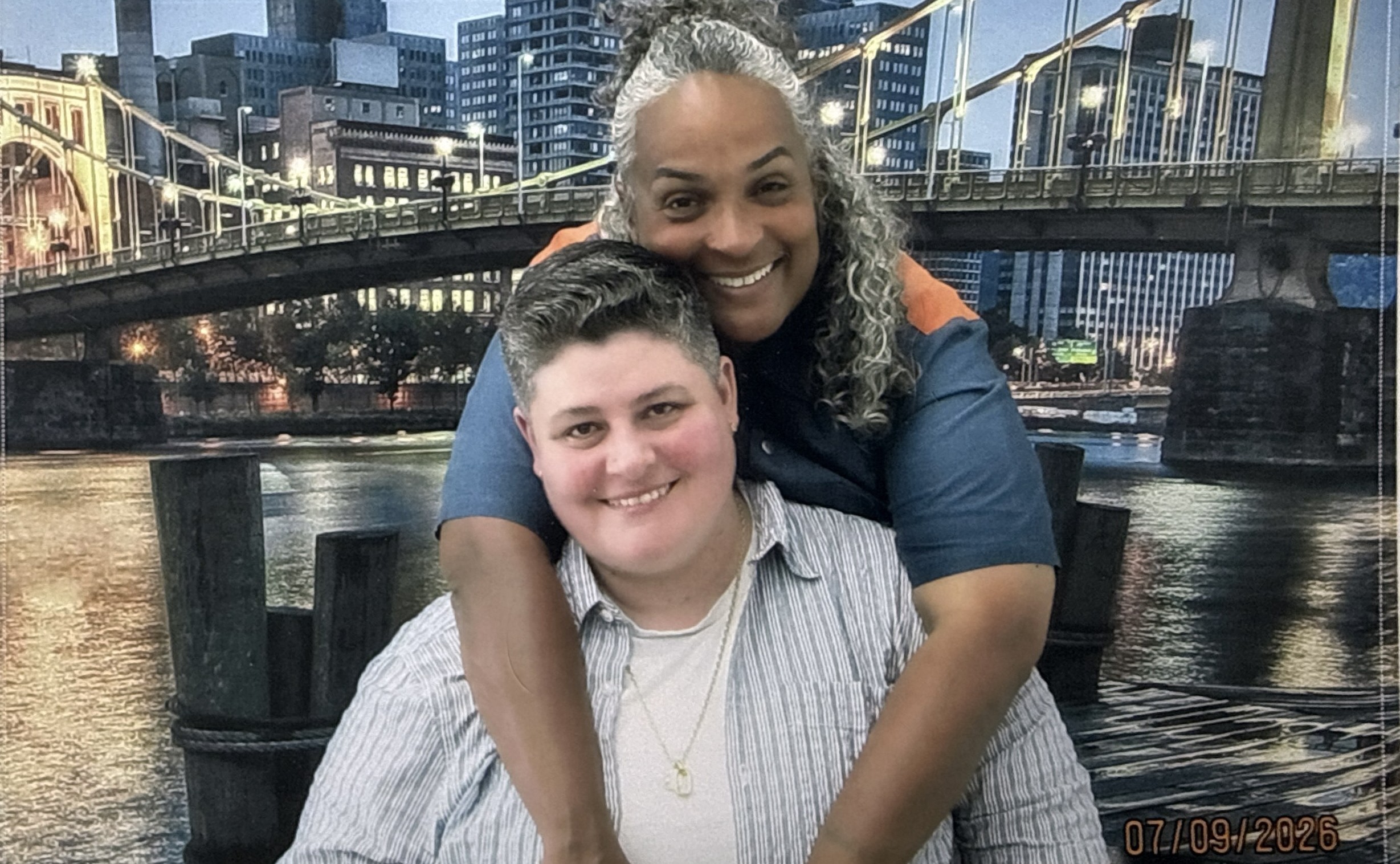
Tashiena (in back) and Natalie Holbrook-Combs of AFSC AFSC Michigan
Everyone deserves a second chance. And everyone deserves support and a place to call home. In Michigan, AFSC, Second Chance Battalion and formerly and currently incarcerated women are making this vision a reality.
Welcome to Healing Homes Farm.
Here’s why this innovative place is needed. Women often experience severe trauma before and during prison. Upon release from long sentences, they need a caring place that centers their whole selves, including their roles as caretakers of family and community before, during and after incarceration.
Healing Homes Farm uses the lived experiences of incarcerated women to create comprehensive and personalized services to meet their needs.
The project combines supportive housing with hands-on experience in a farm setting. Women are responsible for animal care, gardening, farm projects and skill-building. These lead to greater confidence, independence and a sense of purpose, while building a foundation for a more stable future.
Meet the people behind the vision
One woman whose powerful vision helped shape this place is still in prison.
Healing Homes Farm grew from years of work by AFSC’s Michigan Criminal Justice Program alongside currently and formerly incarcerated women—listening to what women serving life and long sentences say they need to come home, heal, rebuild relationships, and lead in their communities.
Elemental to that vision is the partnership between Tashiena and Natalie Holbrook-Combs, a married couple whose life, work, and organizing stretch across prison walls. Tashiena has spent more than 26 years incarcerated in Michigan, where her lived experience, education, advocacy, organizing, and relationships with other women have shaped a deep understanding of what women need before and after release.
Natalie has been with AFSC’s Michigan Criminal Justice Program for nearly 24 years, building relationships with incarcerated and formerly incarcerated women and connecting their knowledge and leadership with resources and communities both inside and outside prison.
Together, their inside/outside partnership has helped AFSC imagine reentry as something much deeper than services provided when someone walks out of prison. It begins with relationships and community long before release and creates opportunities for women coming home to use their skills as mentors, advocates, educators, violence interrupters, and leaders.
Through AFSC’s Good Neighbor Project, those relationships also bring people on the outside closer to women inside—building friendships and networks of care that move people to work for the freedom of more long-serving women.
Healing Homes and the Good Neighbor Project also challenge us to ask why women who have done years of deep and transformational work should remain incarcerated when communities are ready to welcome them home.
We need these women in our communities helping interrupt violence and generational incarceration. We need our mothers, grandmothers, wives, partners, sisters, daughters, and neighbors home.
That philosophy is taking physical form at Healing Homes Farm. Through AFSC’s partnership with Aaron Kinzel and Second Chance Battalion, women returning from prison have a place where housing, healing, relationships, purpose, and leadership come together.
For Shavonne Davis, one of Healing Homes Farm’s first two residents along with Quiana Lovett, Tashiena embodies the possibilities behind that vision.
“Just imagine this vision coming from the brain of an individual who is incarcerated,” Shavonne says. “What could she build that would help so many people if she were out here?”
Healing Homes ultimately asks a larger question: What if communities invested in the relationships, resources, healing, belonging, and human potential that could prevent incarceration in the first place?
That is the future AFSC and its partners are working to build.
And it’s all come together thanks to some unique partnerships.
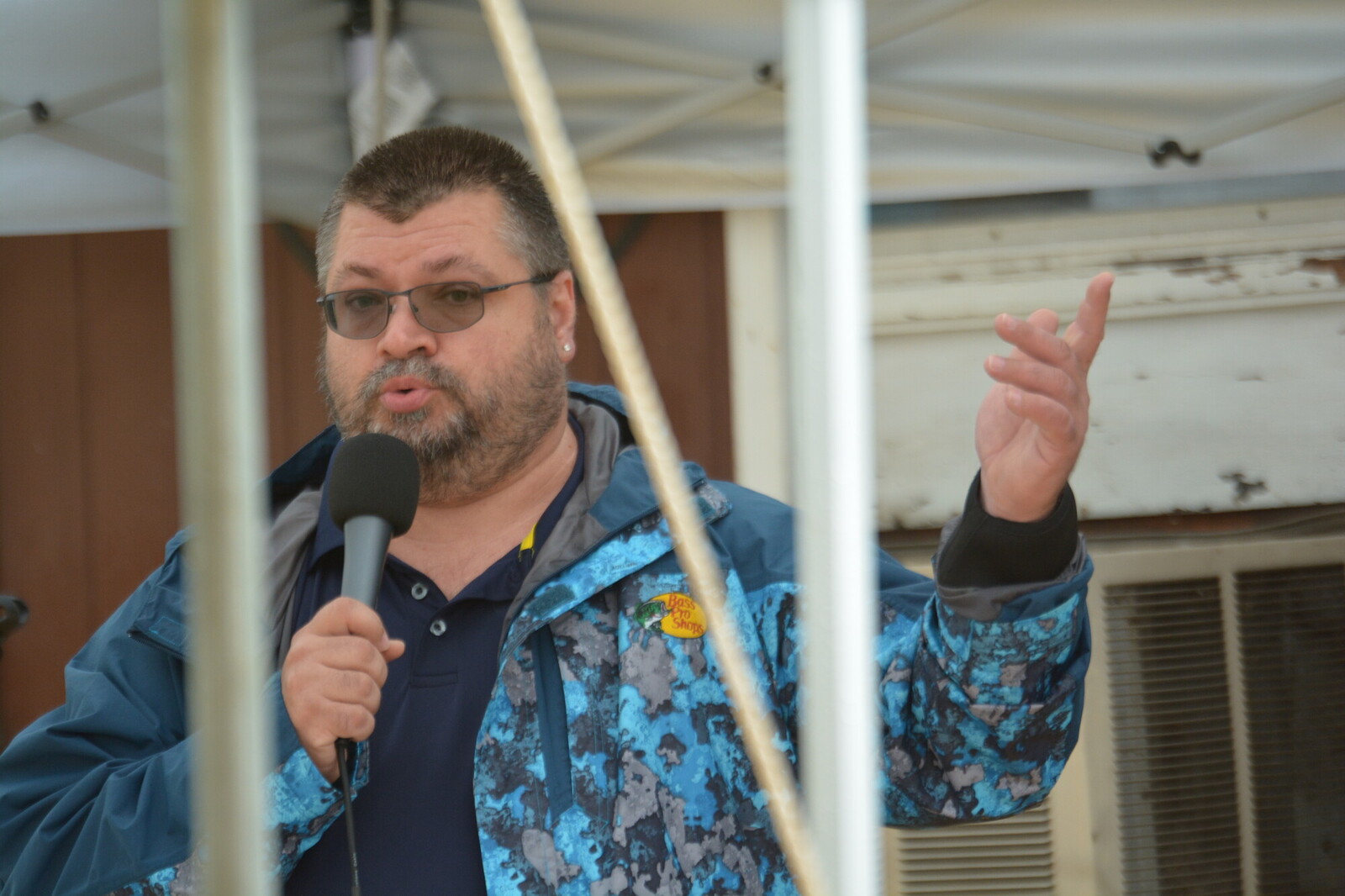
Aaron Kinzel speaks at the Healing Homes Farm open house.
A grandfather’s legacy of healing
At a recent open house, Natalie invited Dr. Aaron Kinzel, director of Second Chance Battalion, to share his story about the origins of the farm. His granddad moved to the farm in the 1950s and built the current farmhouse with money the government gave him after taking half his land to build the adjacent highway.
“My grandfather passed when he was 94 years old, about five years back,” Aaron says. “One of his visions for this property was to help people out.”
Aaron said that for many years, women and children had come to the house to escape violence. “My mother was incarcerated and had been in the foster care system,” Aaron says. “You know how it goes in the system – from jail to prison. She was always in violent relationships with men who treated her badly.”
He adds, “I saw a lot of things as a young boy that I probably shouldn’t have been exposed to and had to deal with. But whenever we came here, this was a safe place.”
Aaron said that remembrance and vision gives him hope to help other women who’ve been justice-impacted and survived violence. “I want them to have a lovely place to stay, to enjoy the ten acres as we build it out programmatically in partnership with AFSC.”
Natalie added, “Thank you to all who’ve given your time, energy and money so far. We’re going to continue to grow this out. We have a vision for the tiny homes and for really dynamic programming that meets the needs of women coming out after serving decades in prison.”
Click to donate to AFSC Michigan and Second Chance Battalion.
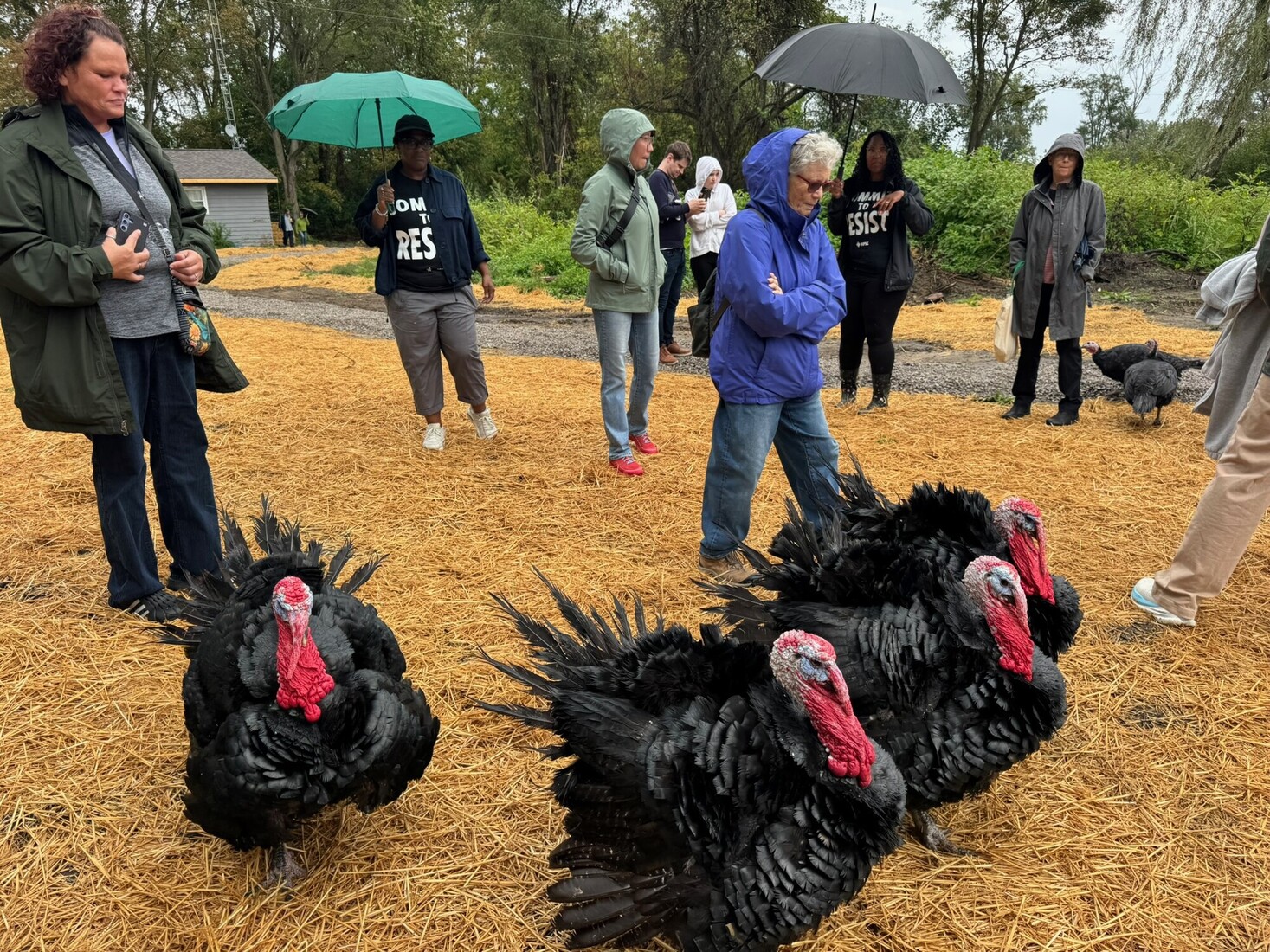
Friendly turkeys greet visitors to the Healing Homes Farm open house. Gabriela Flora/AFSC