
Children play outside of a church that serves migrants in Costa Rica, with support from AFSC. Photo: Rodrigo Henríquez
In July, I wrote about why AFSC launched the Hummingbird Plan—our emergency response to the humanitarian crisis facing migrants in Latin America.
Today, I want to update you on what your support has made possible. Over the past six months, AFSC has worked with 12 partner organizations across Mexico, Guatemala, Costa Rica, and El Salvador. We are providing not only immediate humanitarian aid, but also building the capacity for longer-term advocacy and systemic change.
As a Quaker organization, AFSC believes in the inherent worth and dignity of every person. That belief drives everything we do through the Hummingbird Plan: offering urgently needed help while working toward a world where everyone is welcome in our communities, where migration is a choice rather than a necessity, and where people's rights are protected rather than violated.
Our impact
Thanks to supporters like you, AFSC and partners have reached more than 2,600 people.
We have helped provide:
- 1,484 people with humanitarian assistance—including food, water, hygiene items, transportation funds, and supermarket vouchers.
- 209 people with psychosocial support.
- 949 people with vital information through Know Your Rights trainings.
As one of our partners in El Salvador told us: “The distribution of backpacks and t-shirts has had a significant impact on migrants. Beyond the material objects, these gestures are seen as signs of humanity, warmth, and closeness. People feel that we truly care about their situation and well-being.”
The power of documentation
One of our most significant achievements has been strengthening partners' capacity to document migrants' experiences. Many of the organizations we work with—shelters, service providers—had never documented before. Now they’re engaging in advocacy alongside their services.
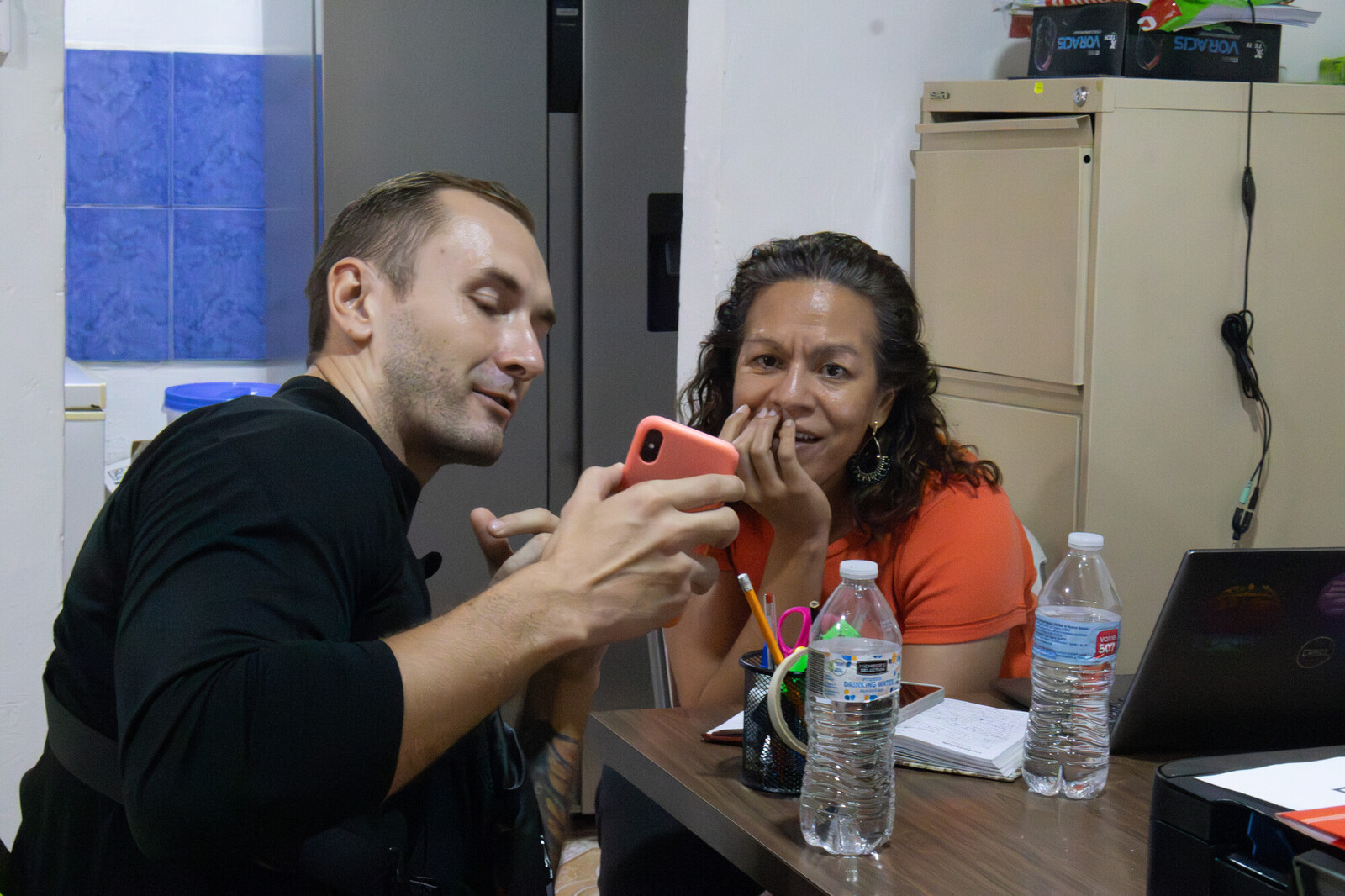
AFSC's Marcia Aguiluz Soto speaks with a migrant who had been held in a detention center in Costa Rica. AFSC and partners called for the release of all migrants who had been detained in the country and continue to provide individuals with support. Photo: Rodrigo Henríquez
Since the project began, partners have conducted interviews with 325 migrants on their journeys. This documentation provides crucial evidence for international human rights organizations, strengthening their advocacy and recommendations to governments. Understanding migrants’ diverse experiences—such as the difference between some returning from the U.S. after 20 years and someone migrating for the first time—helps shape policies that respond to real needs.
Beyond policy solutions, this documentation work makes the situation visible and humanizes people beyond the harmful narratives about migrants perpetuated by politicians and the media. It gives migrants back a little bit of dignity.
“Listening with empathy, offering a kind greeting, and accompanying with a smile can transform the experience of those who arrive,” said one psychologist supporting a shelter in Guatemala City. “Small gestures that highlight the human dignity of returnees remind us that—despite adversity, trauma, and mixed emotions—their dignity remains intact.”
A historic victory in Costa Rica
As part of the Hummingbird Plan, AFSC and partners also advocated for the rights of more than 200 migrants deported from the U.S. to Costa Rica.
These migrants weren’t from Latin America but from Russia, Armenia, Afghanistan, and other countries. They were flown to Costa Rica—a place where they don’t speak the language or know the culture—and detained for months.
AFSC and partners visited the detention center to document conditions and bring migrants’ stories to light. We provided them with support and legal assistance to help them understand their rights. We also advocated with the Costa Rican government to release them from detention.
After months of collective advocacy, we secured a landmark Constitutional Court ruling. The court declared the detention was illegal and arbitrary—the first regional precedent of its kind. This ruling directly contributed to the release of 200 detained migrants and ordered the government to pay compensation for violating their rights. The landmark ruling was later recognized with first place in an international award from the Inter-American Court of Human Rights, UN High Commissioner for Refugees, and other leading human rights institutions.
We’ve continued to provide support to migrants after their release. AFSC coordinated with local Quaker families in Monteverde to welcome six migrant families into their homes, providing housing, food, and community support. The children have access to school and health care, and the Quaker community continues to welcome them.
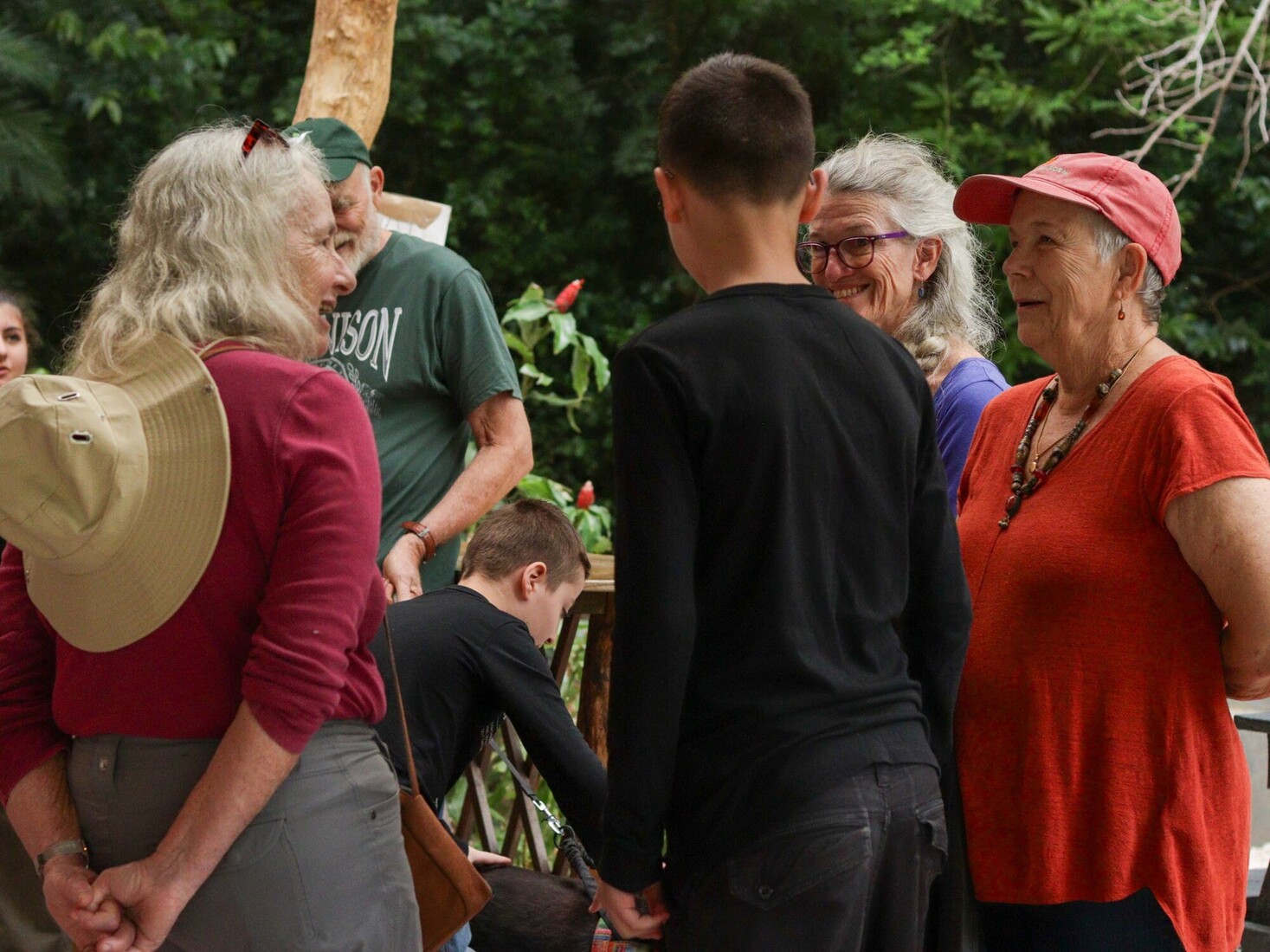
With support from AFSC, Quakers in Monteverde, Costa Rica are hosting migrants who had been deported from the U.S. and detained in Costa Rica. Photo: Evelyn Obando
But many challenges remain. The adults can’t work to support themselves and their families. Without proper identification documents, they can’t find formal employment or open bank accounts.
We’re continuing to advocate with authorities, while supporting these families as they determine their next steps.
Looking ahead
We’re now working on a report based on the 364 interviews our partners conducted. This report will include key findings and policy recommendations, which we’ll share with allies throughout the region, international human rights bodies, and members of the U.S. Congress.
At the same time, we’re continuing to accompany migrants and strengthen the organizations that support them. The demand for assistance and documentation continues to grow—reflecting the scale of displacement across the region. With your support, we aim to extend the Hummingbird Plan through the end of the year, ensuring that vital aid and advocacy efforts continue.
Just a few months ago, I heard from a father from Afghanistan who was traveling north from Honduras with his pregnant wife and 5-year-old daughter. They had been robbed and lost everything, yet chose to keep moving toward safety. Their determination reminds us why this work matters—and why, together, we must keep opening doors to protection and dignity.
People have migrated for thousands of years and will continue to seek safety, opportunity, and survival. The question isn’t whether people will move, but whether we can build humane systems that protect rights and dignity.
The Hummingbird Plan is proving that another approach is possible—one that centers human dignity and listens to the communities most affected.
Thank you for making this work possible and for continuing to stand with migrants seeking safety and hope.