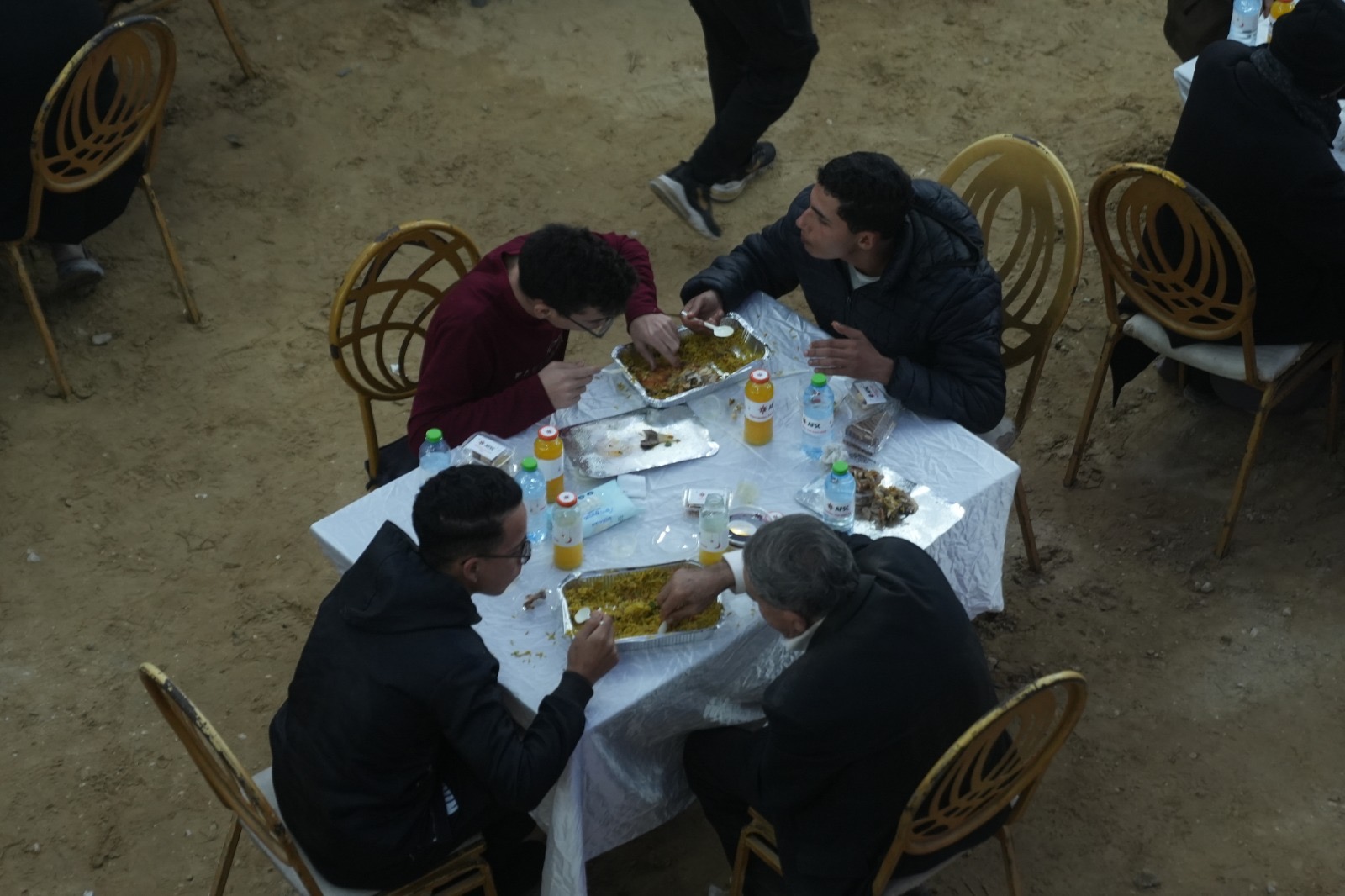
At the start of Ramadan, AFSC and partners hosted a community iftar for over 1,600 people in Gaza. Hamza Al Shami
Feb. 18, marked the start of Ramadan in Gaza. This holy month in Islam sees Muslims fast from sunrise to sunset, abstaining from all food and drink. It is also a time for spiritual connection with God through prayer, and for feeling empathy for those in need of food and understanding what they go through. It is an opportunity to connect with the wider community, including family, friends, and strangers, as everyone is united by the experience of fasting and observing the holy month.
In Gaza, where I am from and still have family, this year's Ramadan comes with a sense of heaviness. It serves as a reminder of the genocide that my hometown has experienced over the past two-and-a-half years. Since October 2023, Gaza has been subjected to a massive Israeli bombardment campaign, killing more than 72,000 Palestinians and injuring over 171,000 others. Ninety percent of Gaza has been destroyed, and many people are still homeless, with essential supplies banned from entering Gaza by Israel.
In this genocide, Gaza has experienced famine and food shortages on an unprecedented scale, claiming the lives of hundreds of Palestinians. Everyone in Gaza has suffered from starvation and lost weight, and the collective memory of the search for food still resonates with Palestinians fasting in Gaza today. Access to food is still limited and there is acute malnutrition and large sectors in Gaza struggle to secure their basic needs.
Thirteen-year-old Ghazal Hania speaks of sorrow when she talks about Ramadan in Gaza this year. “My father is ill, and all our meals come from food distribution centers. In the past, we would celebrate Ramadan with joy, but this year it is sad. When my father was well, he would bring us all kinds of food. But this year, we only have lentils, which we received as a donation.”
“Ramadan would be even more beautiful without war, because then we could celebrate and be joyful,” adds Ghazal.
In conversations with my family members in Gaza who survived the genocide, they recall last Ramadan, when they could sit together and share a meal. This Ramadan is not the same. I have lost 16 direct family members, including four of my siblings and their families.
"Last Ramadan, Abood would bring his special drink every day," says my sister, Sarah, recalling how my brother Abood enjoyed the beverage known as Vimto made with grapes, raspberries, black currants, and black carrots flavored with herbs and spices. She also remembers how my nephews and nieces would try to fast, asking dozens of times when they would be able to break their fast. This year, six of my nephews and nieces, who used to keep the house full of joy and noise, are gone.
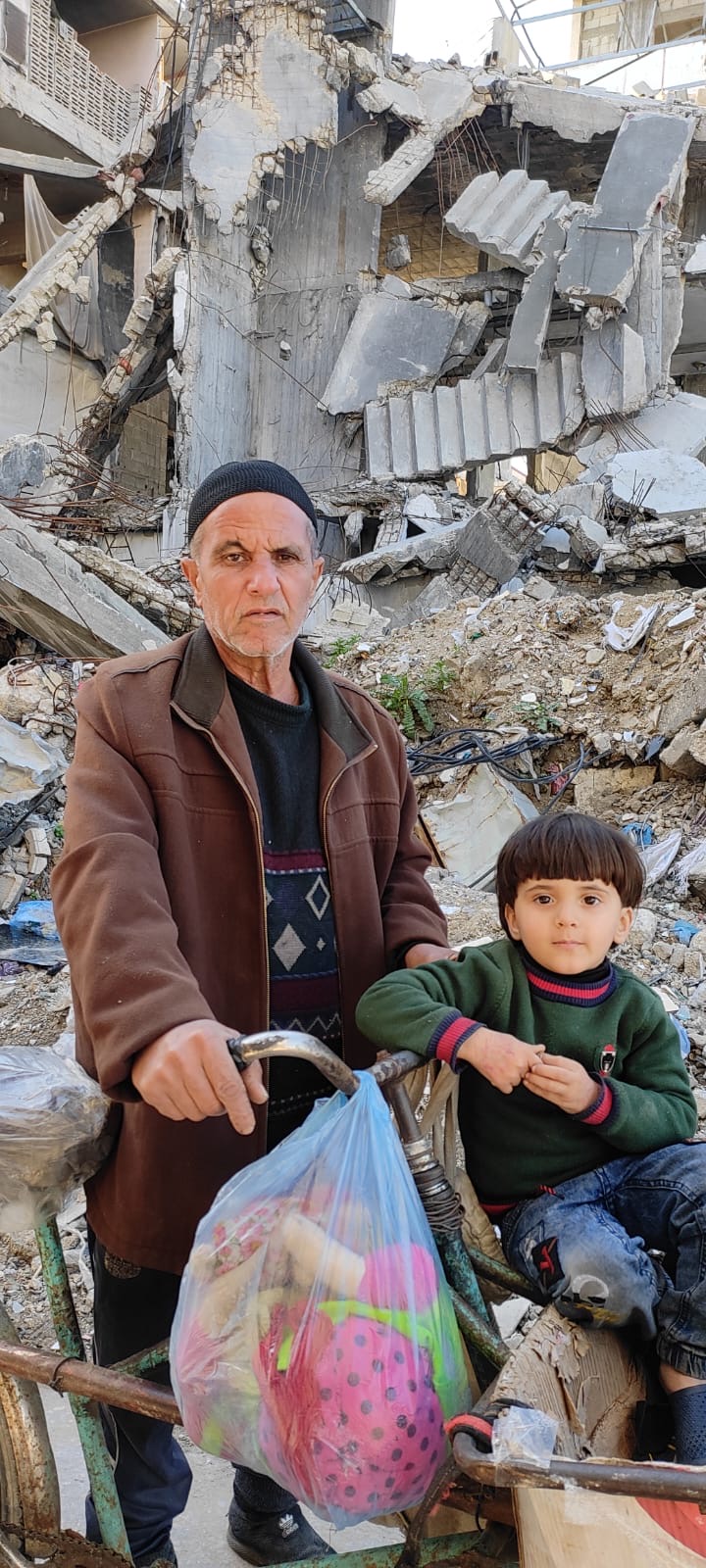
"It's not safe, but it's much better than the past two years," says Jamal Mahmoud (left). "At least I can have my pre-dawn and iftar meals. I can go to the mosque and pray.”
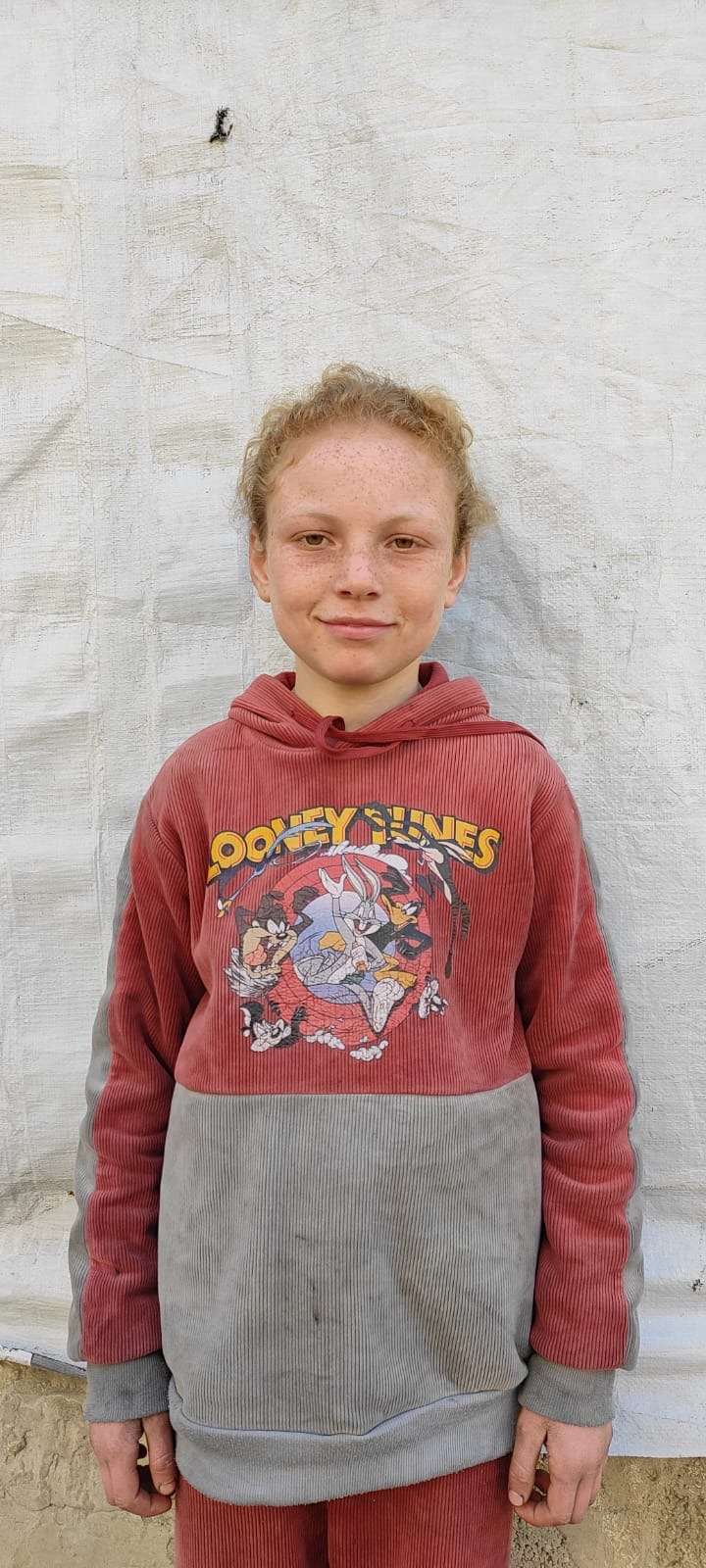
“My father is ill, and all our meals come from food distribution centers," says Ghazal, 13. "When my father was well, he would bring us all kinds of food. But this year, we only have lentils, which we received as a donation.”
Hope despite agony
Ramadan is a month of gathering. This year, the AFSC team organized an iftar for the community, which saw hundreds of people of all ages and backgrounds gather to share a meal. This sense of community and unity has given many in Gaza, who have felt betrayed and abandoned over the past two years, a renewed sense of hope. For the first time in two years, Palestinians gathered in a space feeling that they were less likely to be targeted, as Israel’s massive bombardment of Gaza has slowed down, despite the fact that Israel continues to attack Gaza despite the ceasefire agreement. Since the ceasefire was declared in October 2025, more than 618 Palestinians have been killed in Gaza.
For 65-year-old Jamal Mahmoud, Ramadan this year has brought him great sadness. But still, “this year is better than the previous two years,” he says. “I can visit my family and see friends. It's not safe, but it's much better than the past two years. At least I can have my pre-dawn and iftar meals. I can go to the mosque and pray.”
Celebrating Ramadan in Gaza
Gaza is a special place to mark Ramadan. The city is known for its cheerful light decorations, special meals and dishes, and social visits during the holy month. Many people choose to visit their immediate family during the holy month to strengthen their social ties. Ramadan in Gaza is also a time for checking on those in need and ensuring they have a meal every day. It is also a time of joy when children play with homemade lanterns and light candles to add to the festivities. Children’s play and noise are well-recognized in Gaza, as half of the population is under the age of 18.
This year, Ramadan brings joy in the form of children's laughter, lights, and sharing a meal with family and the community every day for a whole month. However, it also brings sorrow for the families of those who were killed, leaving empty seats at the table—if there are seats at all. It brings sorrow to the majority of people who have lost their homes or family members and whose lives have changed forever. However, people cling to the hope that their lives will improve and that they will be able to heal their wounds and rebuild their homes. Palestinians in Gaza hope that they will be able to gather as a family again, as they used to, when the noise of children playing was louder than that of Israeli drones and tanks.
“I miss those who were with us,” says Ahmad Ghazal, a 33-year-old English teacher in Gaza. “There were so many people who were killed and who are no longer with us. I miss them the most. Life is never normal here, especially in the eastern parts of Gaza, but Ramadan is a special time to celebrate and remember those who were with us.”
This year, Ramadan in Gaza comes with mixed feelings. This is true for people in Gaza and for people like me who live outside Gaza. Being together with family reminds me of family members who lost their lives to the genocide. Having food reminds me of the day when my family could not find food, my nephews and nieces asking us what we made for dinner, and us lying to them, telling them that it is the same dish they had.
The Ramadan lights outside Gaza reminds us of the fact that there would be much more light in Gaza had it not been for electricity outages caused by the genocide. The Ramadan lights are particularly visible due to the electricity outages, and the rubble of countless homes sits in the background.
As we sit down to eat, we remember our loved ones whose lives were cut short for no reason, and our children who were not allowed to grow up. I remember my niece Zainab, known in the family as Zozo, who died in an Israeli airstrike while holding her pocket money, hoping that she would wake up the next day and buy her favorite chocolate bar.
Despite the sorrow in our hearts and the huge loss Gaza has suffered, we remember our loved ones and still celebrate Ramadan. We celebrate Ramadan in the shadow of a genocide that is far from over. We pray every day that our people will gain their freedom and the noise of our rascal children will come back to life, keeping our community together and giving us hope of a brighter future.