As Eid arrived in Gaza last month, the meaning of celebration had changed, but the desire to hold on to joy has not disappeared.
Families still live in displacement, and Eid came at a time of ongoing hardship. Many are still in tents, separated from their homes, their communities, and in many cases, from loved ones they have lost. Yet, even in this reality, families, community members, and organizations like AFSC continued to create moments of comfort, especially for children.
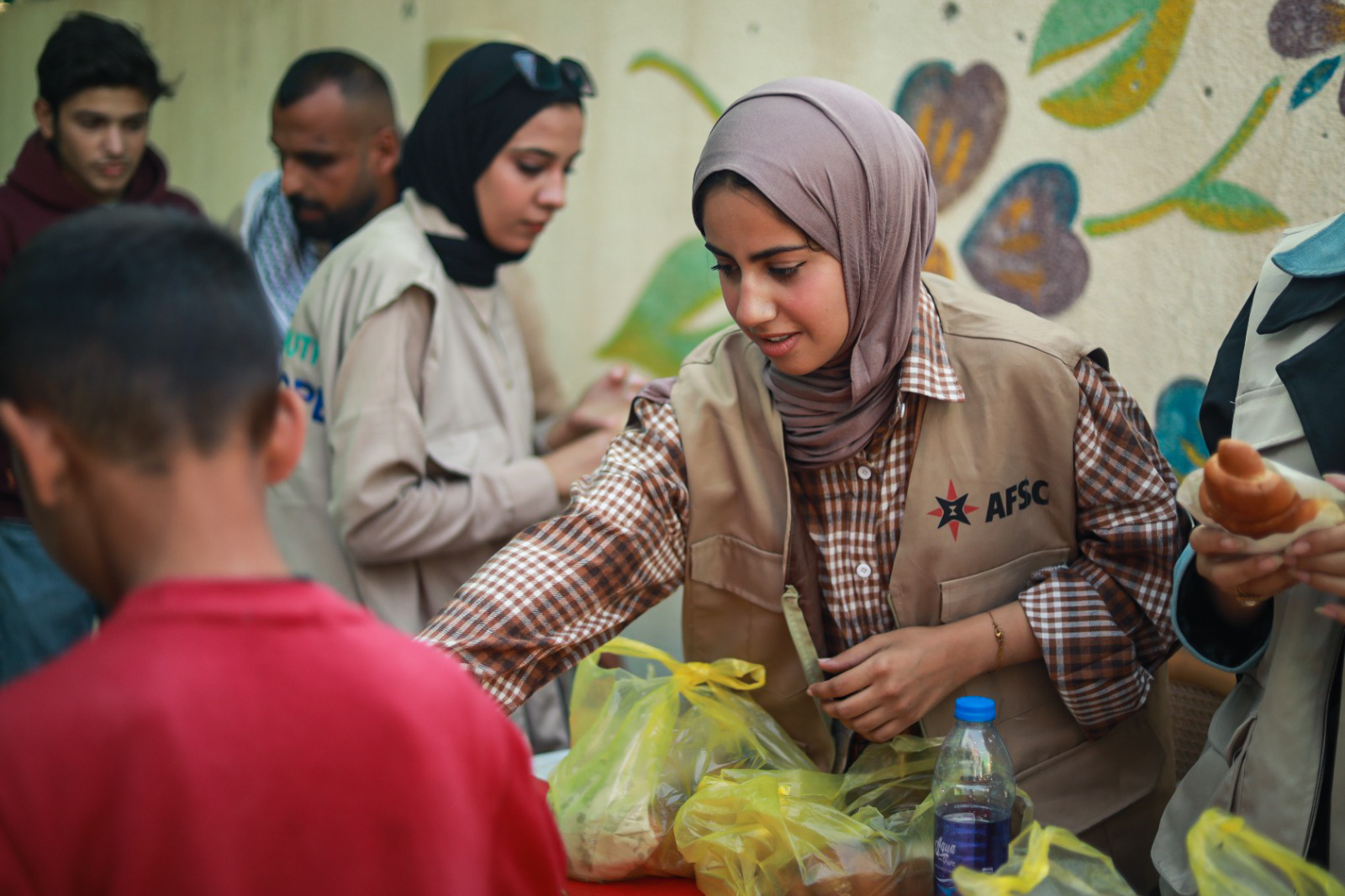
As part of its ongoing humanitarian response, AFSC delivered 1,000 Eid kits for children, including new clothes—an essential part of Eid celebrations that many families can no longer afford. These small gestures aim to restore a sense of dignity and normalcy for children who have spent months living through war and displacement.
We also distributed ka’ak, traditional Eid sweets, to families across both the north and south of Gaza. These distributions offered families a small but meaningful connection to traditions that have been deeply disrupted.
Throughout Ramadan, AFSC continued distributing food and water, while also supporting children through educational and psychosocial activities. In Deir al-Balah, at Al-Manal Association, around 300 children participate in learning-through-play programs designed to provide both education and emotional relief.
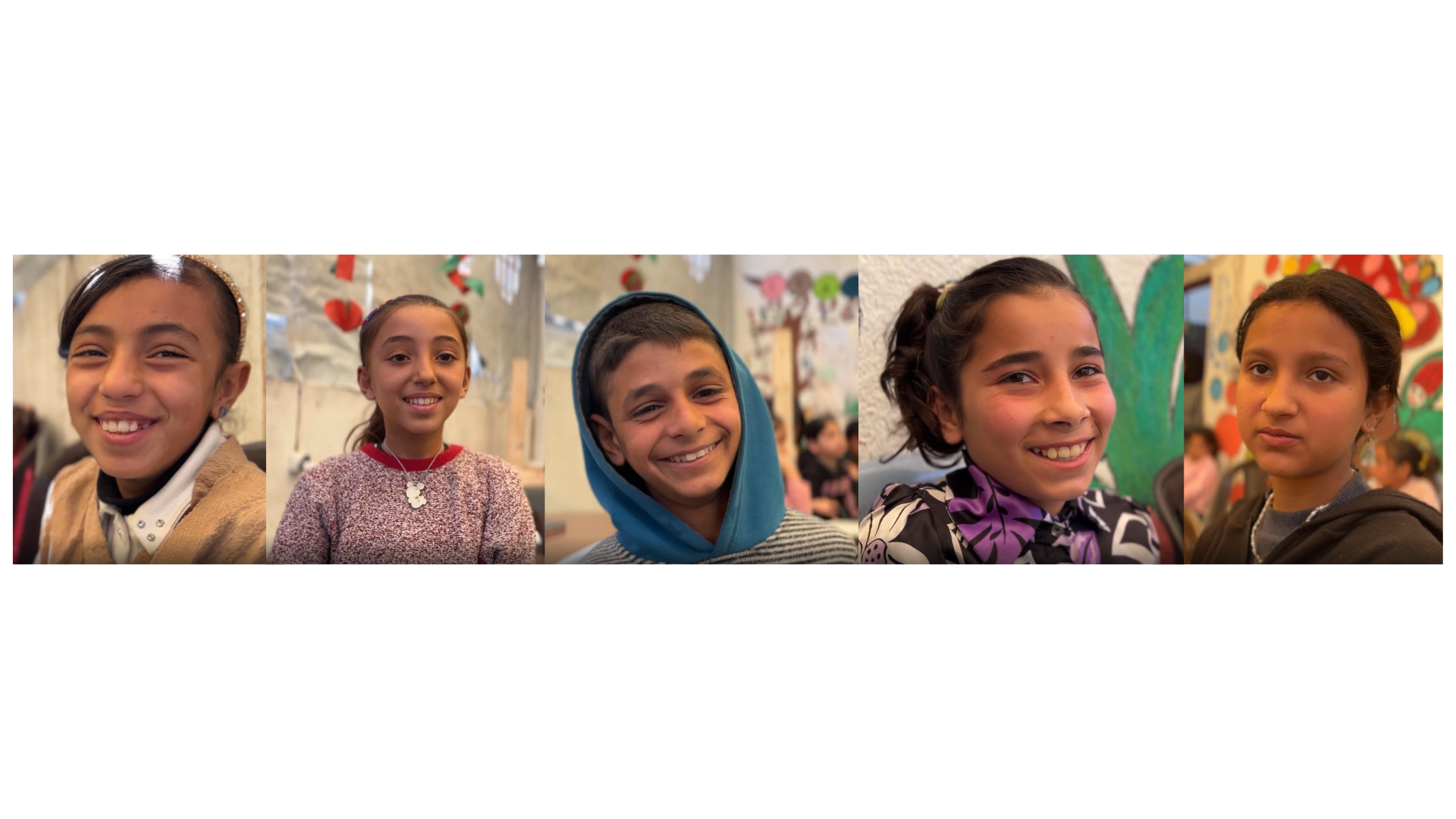
As part of our ongoing work with children, we asked them about Eid—and what it meant to them now.
A 12-year-old girl, currently displaced and living in a tent, shared: “We haven’t bought Eid clothes for a long time because we are not in our home. When you ask me how I feel about Eid… I feel nothing. Before the war, we used to go out, celebrate, and buy new clothes. This is a sad Eid, not a happy one.”
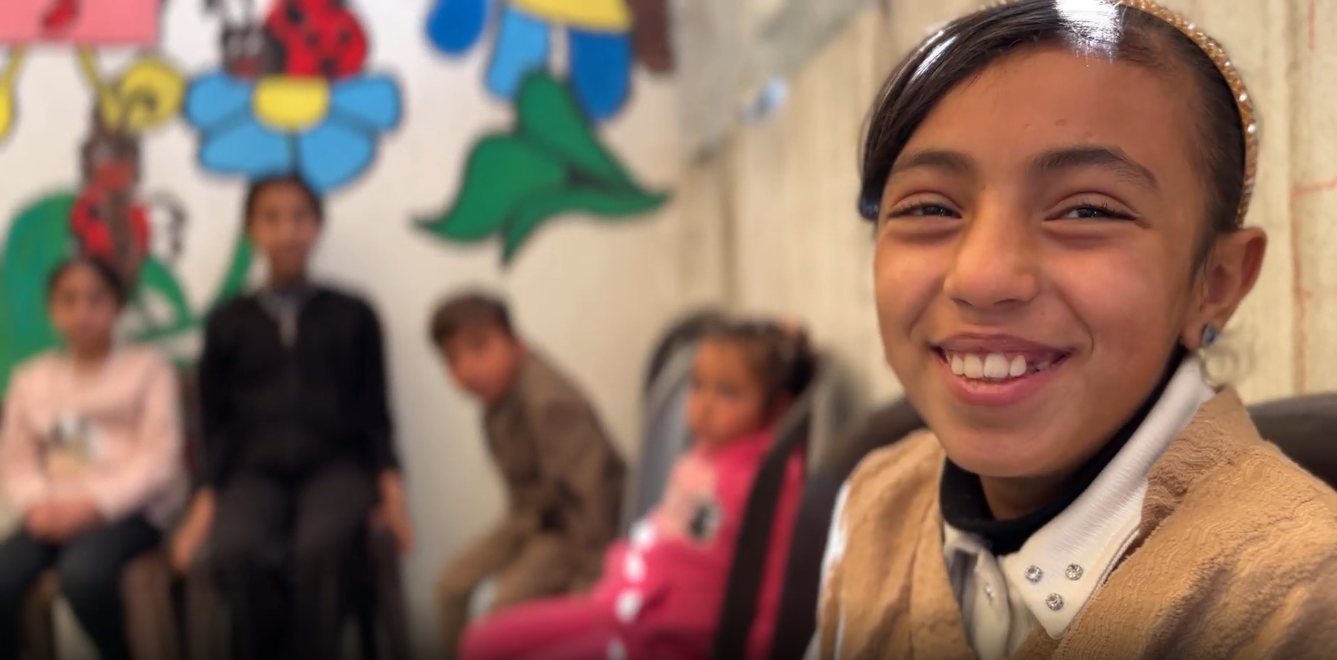
Jana, 11 years old and displaced, said: “Before the war, we used to prepare ka’ak, get Eid money, and buy clothes. Now, there is nothing, not even a home. I lost my friend Shahd. … she was my soul. This Eid, she is not with me. I dream of her every day. I wish there could be games during Eid so we can have some joy. Even the park we are in, where we are supposed to have fun, is now filled with tents and displaced families.”
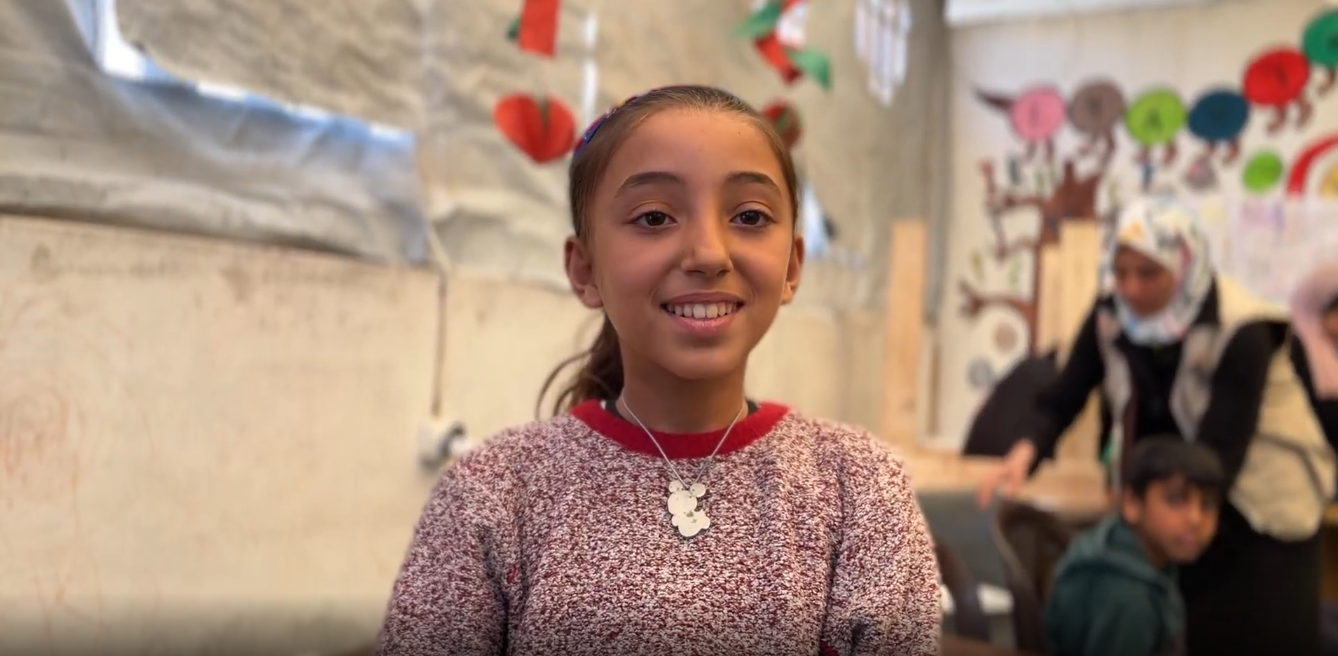
Lamees, also 11 and living in a tent, expressed a simple wish: “I want to welcome Eid safely, with clothes to wear. I wish I could see my relatives who were killed and have them back. I want to save money to buy ka’ak.”
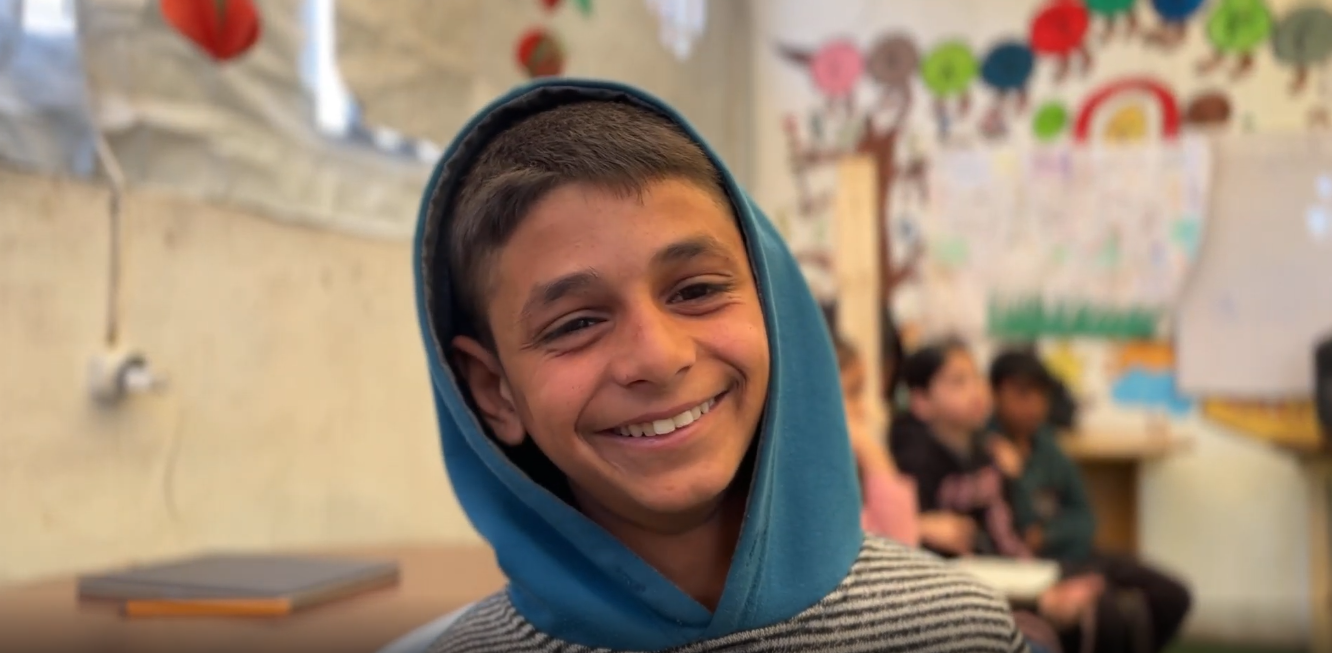
Saeed, 14, now displaced in Deir al-Balah, shared: “I lost my uncle, my aunts, and other relatives. There is no Eid without family, without friends, without loved ones. I come to Al-Manal to learn and to have some space to release what I feel inside. Even with all the pain, we are trying to stay strong and find some joy. I cannot go back to my home in Beit Hanoun. I just wish the war would truly end, that we could rebuild and leave the tents, the sand, and the illness behind.”
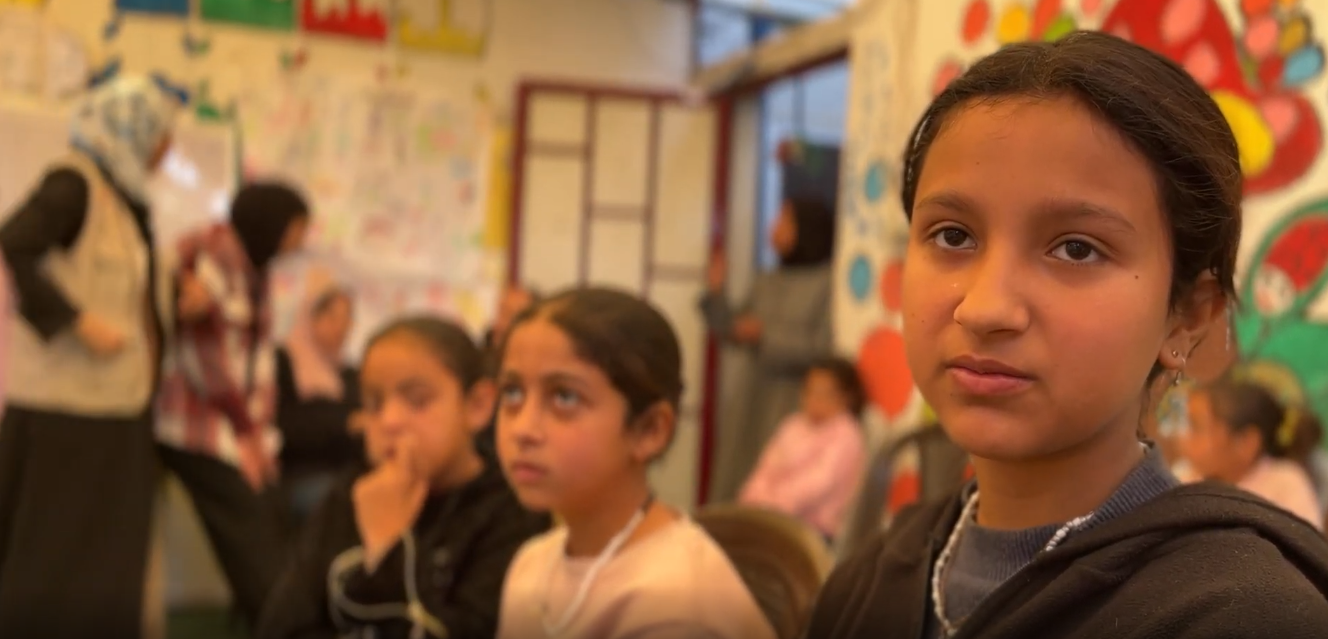
Razan, 13, said: “I come here to learn and feel a bit of happiness, but Eid is not like before. We cannot buy clothes, and everything is expensive. I just wish life goes back to how it was, and Gaza is rebuilt. It doesn’t feel like the war has ended.”
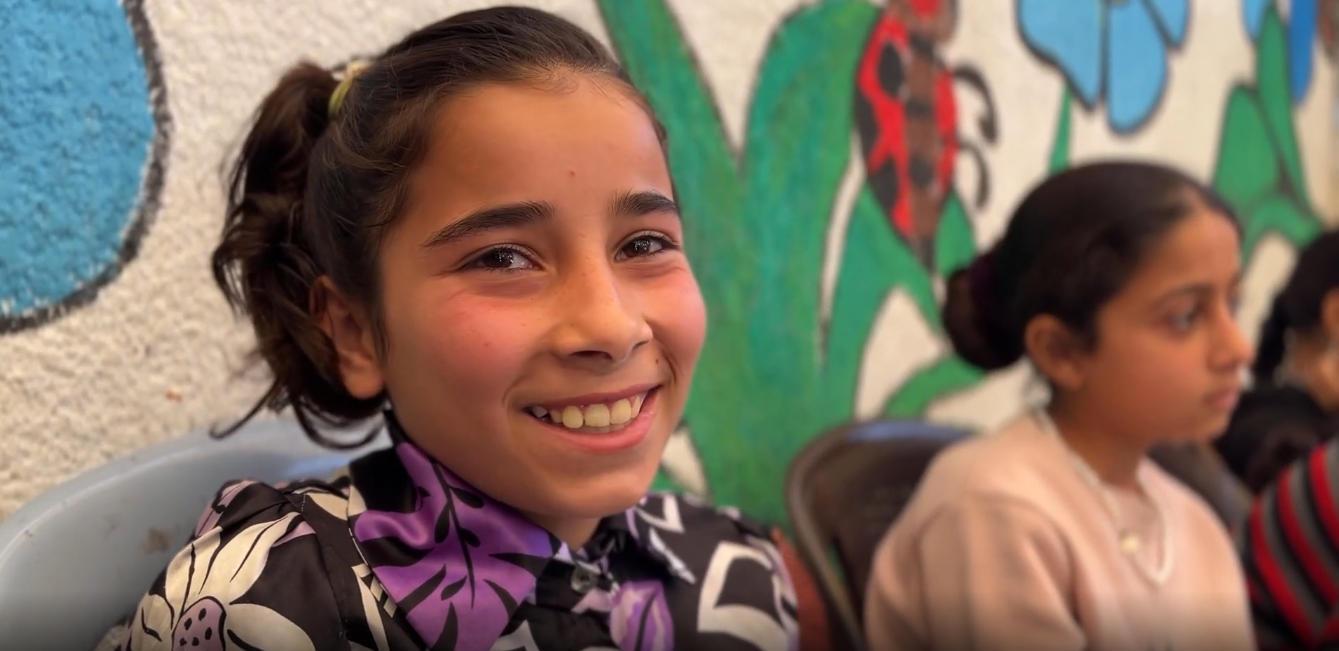
Sila, 12, displaced from Beit Hanoun, added: “I don’t know how Eid will come without my brothers Ayman and Emad, my aunts, my cousins, my friends, and my home. I cannot go back because the army is still there.”
For many children, these reflections carried the same message: Eid was no longer what it once was.
Amid all the hardship, a few children shared that they were able to enjoy small moments of excitement for the holiday. Even in the face of loss and grief, there remains a collective determination to hold on: to traditions, to moments of joy, and to the possibility of something better.
In Gaza today, creating space for children to smile is not a small act. It is an act of resilience.
Through its Eid response, AFSC continues to stand beside children and their families in Gaza. We are not only meeting immediate needs, but helping to restore moments of dignity, connection, and hope.
As need remains immense, continued support is essential to sustain these efforts. We must ensure that even in the most difficult circumstances, children are not denied the chance to experience joy.