
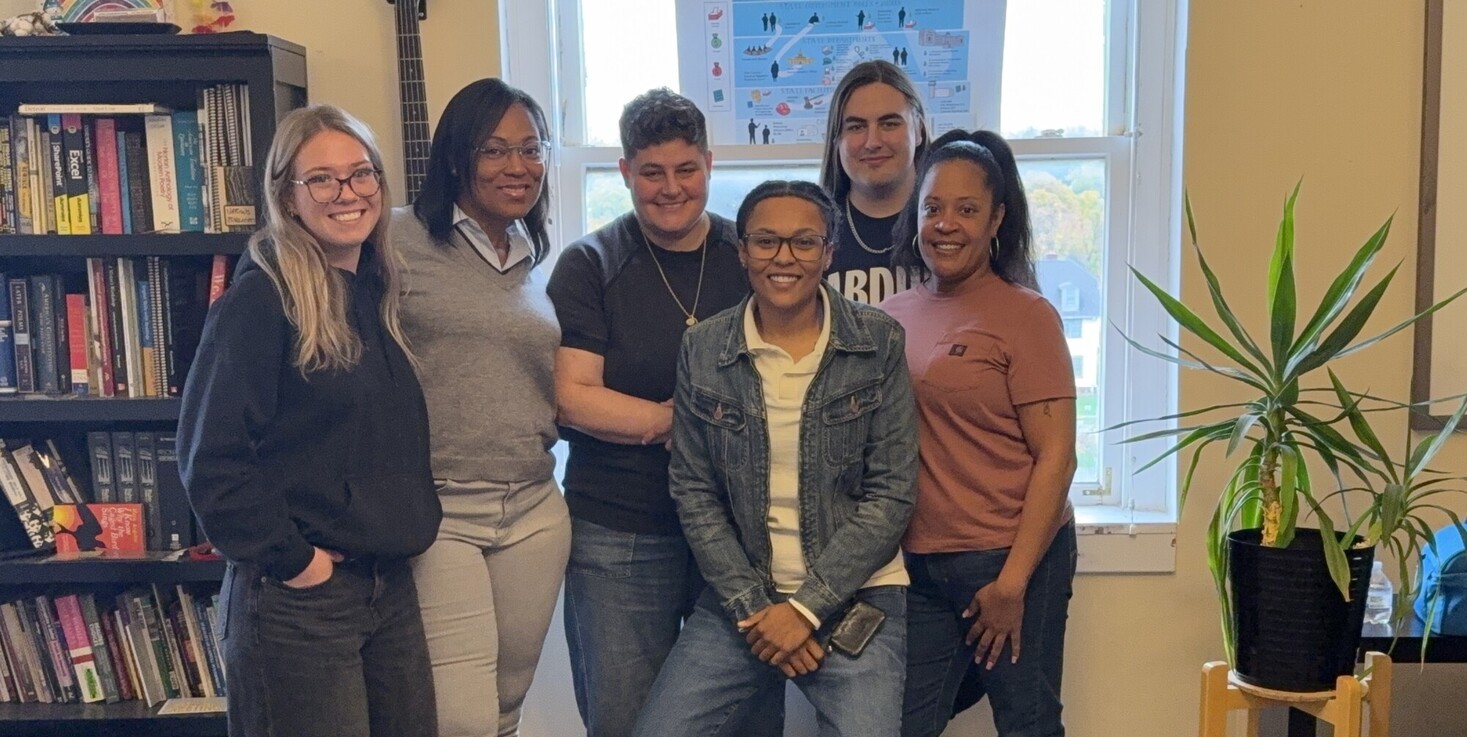
The AFSC Michigan Criminal Justice team, from left: Megan Engel, Shavonne Davis, Natalie Holbrook-Combs, Jacara Moore, Skylar Gillette and Quiana Lovett AFSC Michigan
The AFSC Michigan Criminal Justice Program is working to provide safety, support, and resources for women coming home from prison. We are so grateful for the love and solidarity we have received from the community all along this journey. The community and skills we have built throughout the course of our work are strong and will continue to serve us as we move forward.
The women at Women’s Huron Valley (WHV) Correctional Facility articulated their original vision of this work as “founded in understanding the power of transformation, the importance of staying connected to loved ones and community, the love in liberation, and the possibility of always healing.” AFSC’s commitment to that vision is stronger than ever.
Below we are proud to share about three remarkable women who’ve “come home” recently and are working with AFSC to liberate and support others.
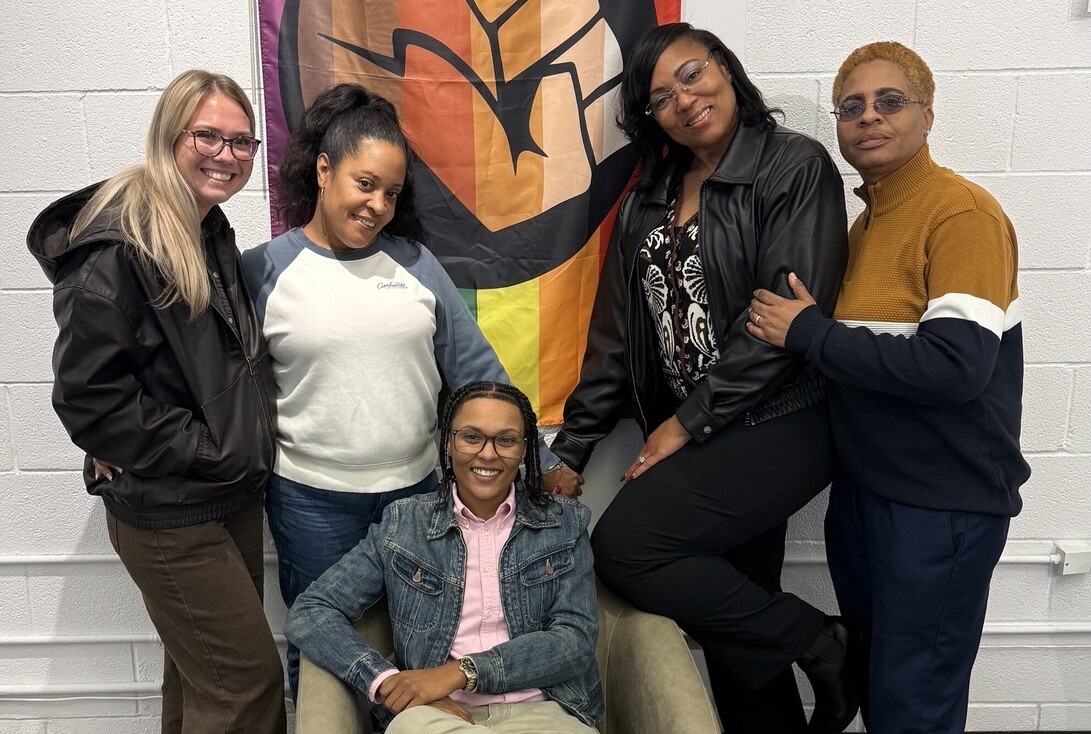
From left, Megan Engel, Quiana Lovett, Jacara Moore, Shavonne Davis, and her wife, Moon attend the "Open the Cage: Dedicated Night to Incarcerated Queer & Trans Family" event at the Affirmations LGBTQ+ Community Center. Jacara Moore of AFSC spoke at the event. AFSC Michigan
Jacara Moore serves as the Associate Director of the AFSC Michigan Criminal Justice Program, guiding statewide efforts to confront the crisis of long and life sentences. She contributes essential insights shaped by her lived experience. Her rich background strengthens her leadership while fueling her deep commitment to justice.
At 19, she was sentenced to serve eight years at WHV, but she chose early on to transform her future. By her release in August 2025, she had earned three associate degrees from Jackson College, a bachelor’s degree from Eastern Michigan University (EMU), and certifications in 3D Printing and Robotics through the prison’s Vocational Village Program.
Throughout Jacara’s time at WHV, she emerged as a trusted leader—serving as President of EMU’s Business Club, Vice President of the Student Voice Council, an EMU-trained mentor, and co-leader of the praise and worship choir.
She remains connected to her inside community through frequent Zoom calls with her former Vocational Village class. Grounded, resilient, and solutions-driven, Jacara works to expand opportunity, elevate the voices of incarcerated women, and give back to the community that once lifted her up.
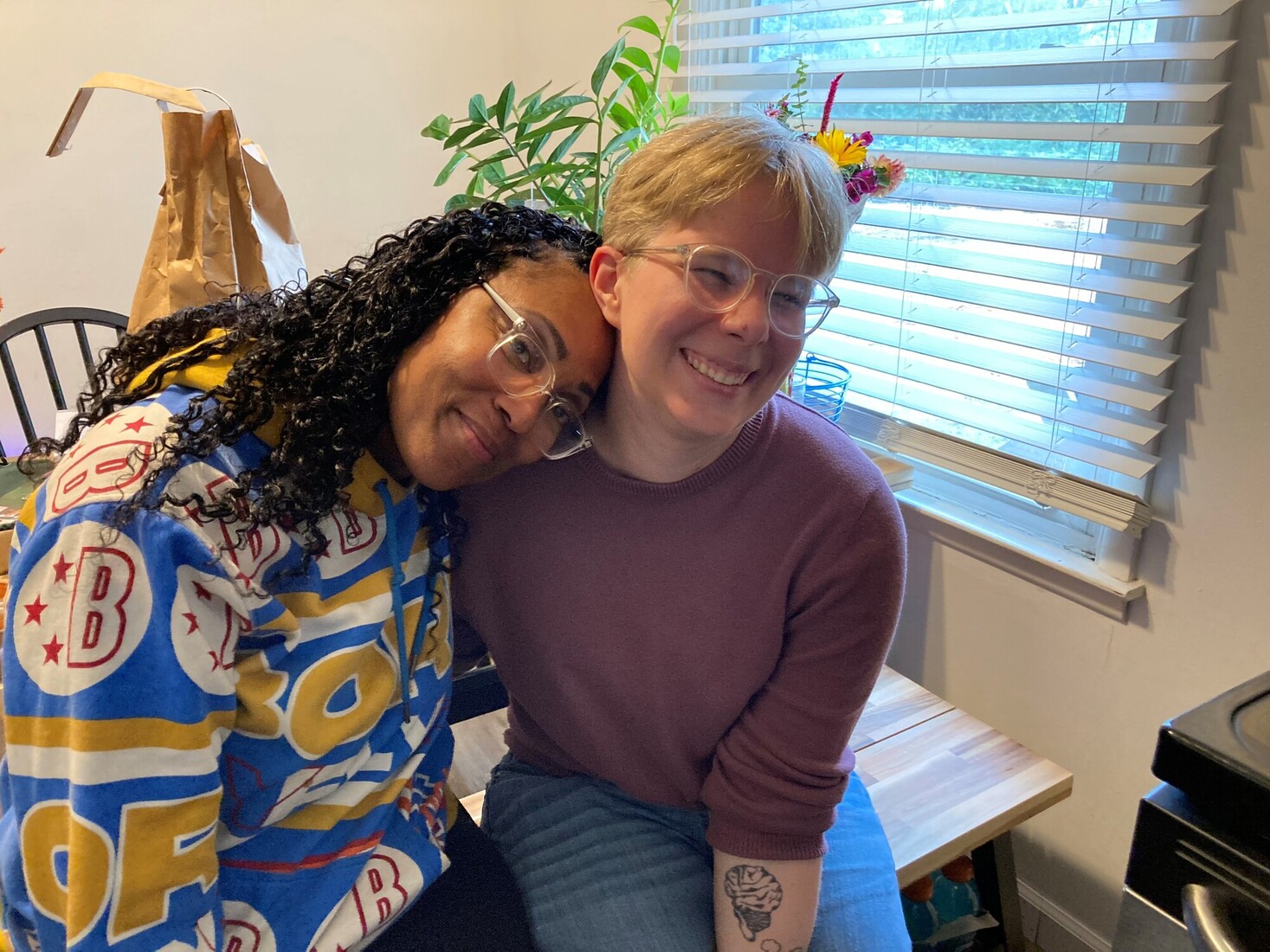
Shavonne Davis, left, shares a moment recently with Nick. Shavonne and Nick were co-mentors through AFSC’s Good Neighbor Project. AFSC
Shavonne Davis, 53, came home this fall after 24 years in prison and is now working as a fellow with AFSC Michigan. She describes herself as a mom of two. Her youngest daughter, Aspen, died in 2020 from an inoperable brain aneurysm. She says she’s still tapping into her grieving process.
While incarcerated, she completed a number of groups and programs. She has two associates degrees in business and arts, and two certificates in business and public administration management – all from Jackson College.
In Vocational Village at the prison, she took 3D printing and building trades. She was a core member of Chance for Life for a number of years and helped facilitate groups, mediations and reconciliations. She was also a respected mentor for younger incarcerated people.
Yet Shavonne says that in prison, some programs are in name only. She sees that as a disservice to people who’ve served a large amount of time. When they get out, they’re essentially encapsulated in that moment of incarceration. Meanwhile society moves on, and it’s both scary and challenging to catch up.
While incarcerated, Shavonne put together a proposal entitled “Transitions to Success” that addressed different areas individuals like her needed to be comfortable in reentering society.
She says that supporters will ask returning people: “What are your needs? Do you need counseling? Do you need other resources? Are your aspirations to go back to school? Whatever you need, we’ll help you with that.” She says all these things are needed for individuals who’ve served such a long time.
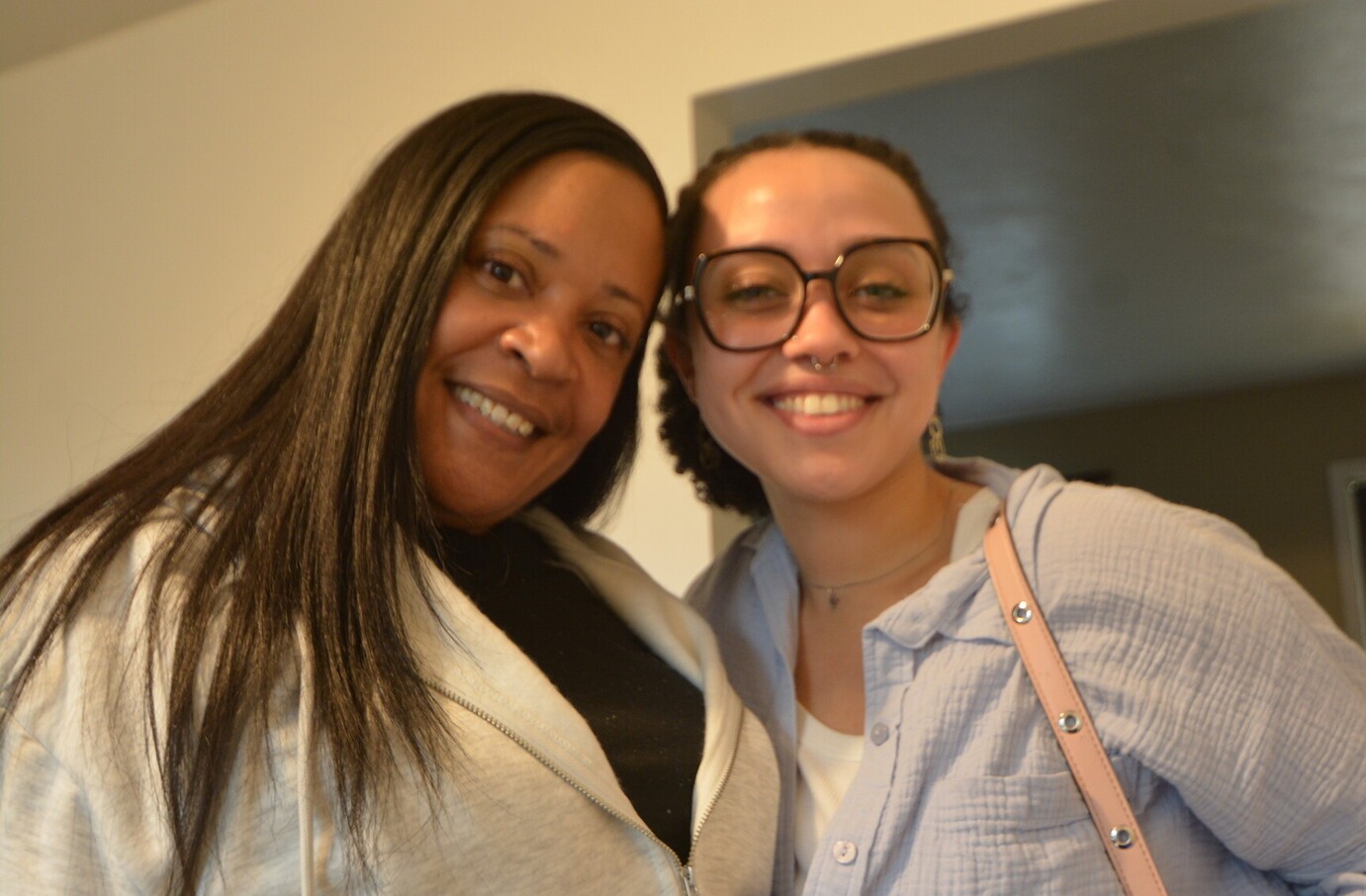
Quiana Lovett, left, shares a moment with AFSC Michigan alum Adalia Kirby. AFSC
Quiana Lovett served 16 years in prison and recently came home. She’s also a fellow working with AFSC Michigan. She describes herself as a mother of three living children and four grandchildren – and also fun-loving and open minded.
She said her first week after coming home was super busy, with family coming in from out of town and meeting her grandkids for the first time. She also went to her deceased son’s grave for the first time.
Quiana is a college graduate, as well, with an associate’s degree in business from Jackson College and a bachelor's in general studies from Eastern Michigan University.
In September, she spoke at her first Survivors Justice Act (SJA) conference, critically needed legislation which AFSC Michigan is developing along with several partners.
Quiana says support is the biggest thing people need when coming out of prison. That includes support from families and organizations, as well as from formerly incarcerated people. She says nobody understands what you’ve gone through or experienced unless you’ve been there.
She says that more intentionally supporting women coming home from prison started out as a vision and conversation among women at WHV. We’re now speaking these things into existence.
Quiana doesn’t have long-term plans, but instead is taking one day at a time, living fully in the present moment. She says she has personal goals, including financing a car, owning her own home, and taking a trip. She wants to complete parole and succeed at her job. She wants to work in her entrepreneurial field and advocate for survivors of domestic violence and college-in-prison programs.
She also wants to maintain her sobriety and strengthen her relationships with her children and grandchildren. She wants to get married one day.
And Quiana says she wants to be able to just walk outside every single day – and thank God she’s able do that.