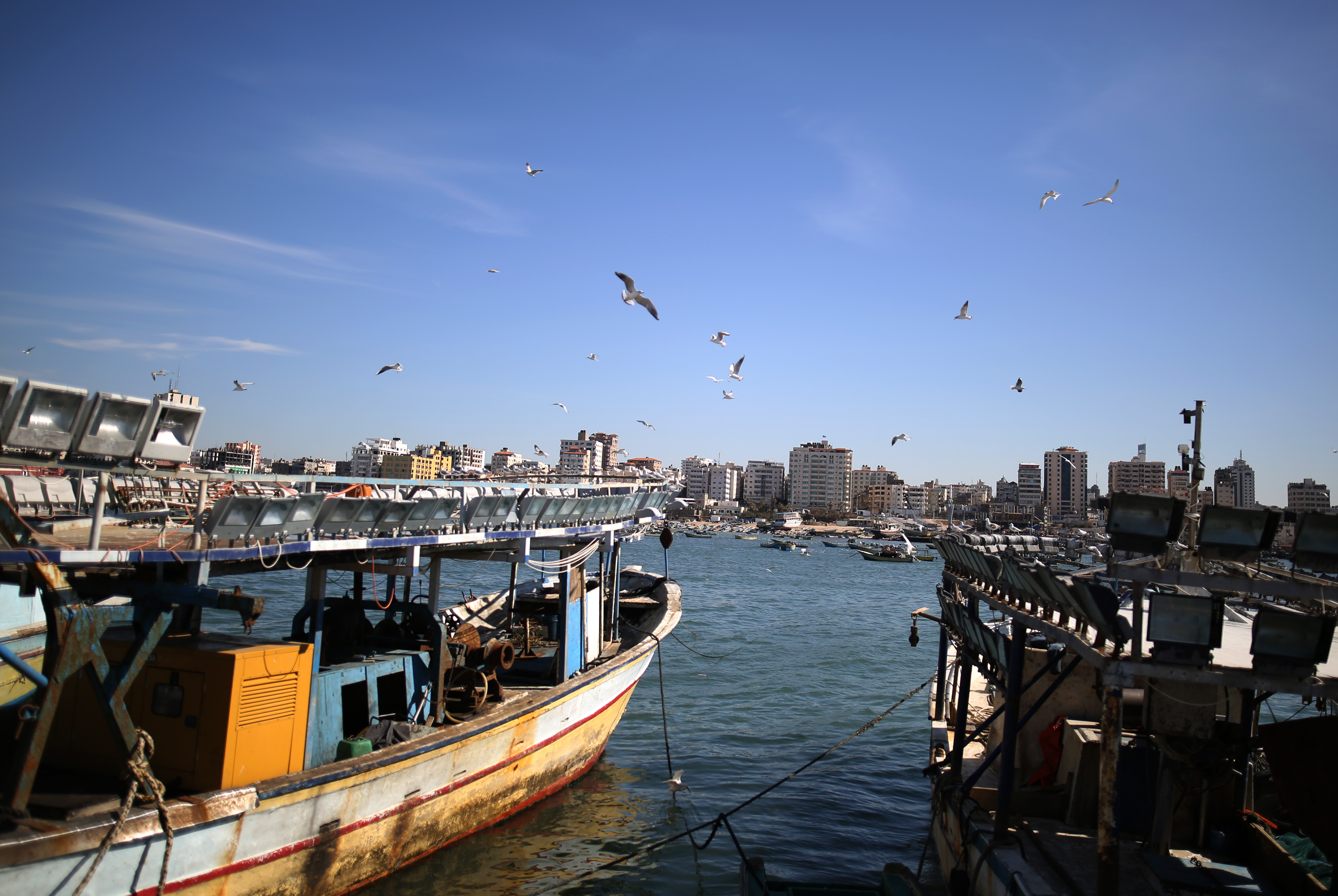
Gaza, Palestine, 2016. Sameh Rahmi
This policy paper entitled “Water Justice and Water Diplomacy in Jordan, Palestine, and Lebanon” provides an in-depth analysis of water justice and water diplomacy as multidimensional issues that transcend technical considerations to encompass complex political, human rights, and developmental dimensions. The paper is grounded in a central problem: the existence of profound structural inequalities in the distribution and governance of water resources, despite the international recognition of water as a fundamental human right. It argues that water scarcity in the region is not merely the result of natural constraints, but rather the outcome of intersecting factors, including weak governance systems, demographic pressures, climate change, and unequal control over transboundary water resources—particularly evident in the Palestinian context under occupation. The paper further highlights stark disparities in per capita water availability, access patterns, and consumption, alongside fragile infrastructure, weak enforcement of legal frameworks, and the politicization of water as a tool of control rather than a shared public good.
The paper concludes by identifying a set of critical challenges that hinder the realization of water justice, most notably the absence of integrated governance, weak regional cooperation, asymmetries of power in water agreements, declining water quality, accelerating climate change impacts, and persistent political constraints. In response, it advances a set of strategic policy recommendations focused on strengthening equitable water distribution; developing rights-based, international law–aligned diplomatic frameworks; improving water management efficiency and infrastructure; enhancing community participation in decision-making processes; and investing in climate adaptation and modern technologies. Ultimately, the paper underscores that achieving water justice in the region requires a fundamental shift from traditional, control-based water management approaches toward a cooperative model grounded in rights, transparency, and sustainability—ensuring long-term water security and regional stability.
تُقدّم ورقة السياسات المعنونة " العدالة المائية والدبلوماسية المائية في الأردن وفلسطين ولبنان" تحليلًا معمقًا لقضية العدالة والدبلوماسية المائية، بوصفها قضية تتجاوز البعد التقني لتلامس أبعادًا سياسية وحقوقية وتنموية معقدة. تنطلق الورقة من إشكالية مركزية تتمثل في وجود اختلالات هيكلية حادة في توزيع الموارد المائية وإدارتها، رغم الاعتراف الدولي بالمياه كحق أساسي من حقوق الإنسان. وتُظهر المقاربة أن الندرة المائية في المنطقة ليست فقط نتيجة عوامل طبيعية، بل هي نتاج تداخل عوامل الحوكمة الضعيفة، والضغوط الديموغرافية، وتغير المناخ، وعدم تكافؤ الفرص في السيطرة على الموارد العابرة للحدود، وخاصة في الحالة الفلسطينية والاحتلال. كما تُبرز الورقة التفاوتات الصارخة في نصيب الفرد من المياه وأنماط الوصول والاستهلاك، إلى جانب هشاشة البنية التحتية، وضعف إنفاذ الأطر القانونية، وتسييس المياه كأداة للسيطرة بدلًا من كونها منفعة عامة.
وتخلص الورقة إلى مجموعة من التحديات الجوهرية التي تعيق تحقيق العدالة المائية، أبرزها: غياب الحوكمة المتكاملة، وضعف التعاون الإقليمي، واختلال موازين القوى في الاتفاقيات المائية، وتدهور جودة المياه، وتأثيرات تغير المناخ المتسارعة، إضافة إلى القيود السياسية. وفي المقابل، تطرح الورقة حزمة توصيات استراتيجية تركز على تعزيز مبادئ العدالة في توزيع المياه، وتطوير أطر دبلوماسية قائمة على الحقوق والقانون الدولي، وتحسين كفاءة الإدارة المائية والبنية التحتية، ودعم المشاركة المجتمعية في صنع القرار، إلى جانب الاستثمار في التكيف المناخي والتقنيات الحديثة. كما تؤكد أن تحقيق العدالة المائية في المنطقة يتطلب تحولًا جذريًا من إدارة تقليدية قائمة على السيطرة إلى نهج تعاوني قائم على الحقوق والشفافية والاستدامة، بما يضمن الأمن المائي والاستقرار الإقليمي على المدى الطويل.
About the Author:
Dr. Moayad Bsharat is a Palestinian researcher and activist specializing in agricultural and development issues, holding a Master’s degree in Sustainable Development from Al-Quds University, Palestine. He brings over 15 years of experience in civil society, development, and humanitarian work, with a strong focus on strengthening rural communities and enhancing their resilience. He also has 8 years of regional experience across the Arab region, working on food sovereignty and agrarian issues through collaboration with diverse regional networks and platforms.
:حول معد الورقة
د.مؤيد بشارات هو باحث وناشط فلسطيني متخصص في القضايا الزراعية والتنموية، حاصل على درجة الماجستير في التنمية المستدامة من جامعة القدس – فلسطين. يمتلك خبرة تمتد لأكثر من 15 عامًا في العمل الأهلي والتنموي والإنساني، مع تركيز على دعم المجتمعات الريفية وتعزيز صمودها. كما يتمتع بخبرة إقليمية تمتد لـ 8 سنوات في العمل العربي في مجالات السيادة الغذائية والقضايا الفلاحية، من خلال التعاون مع شبكات ومنصات إقليمية متعددة.