
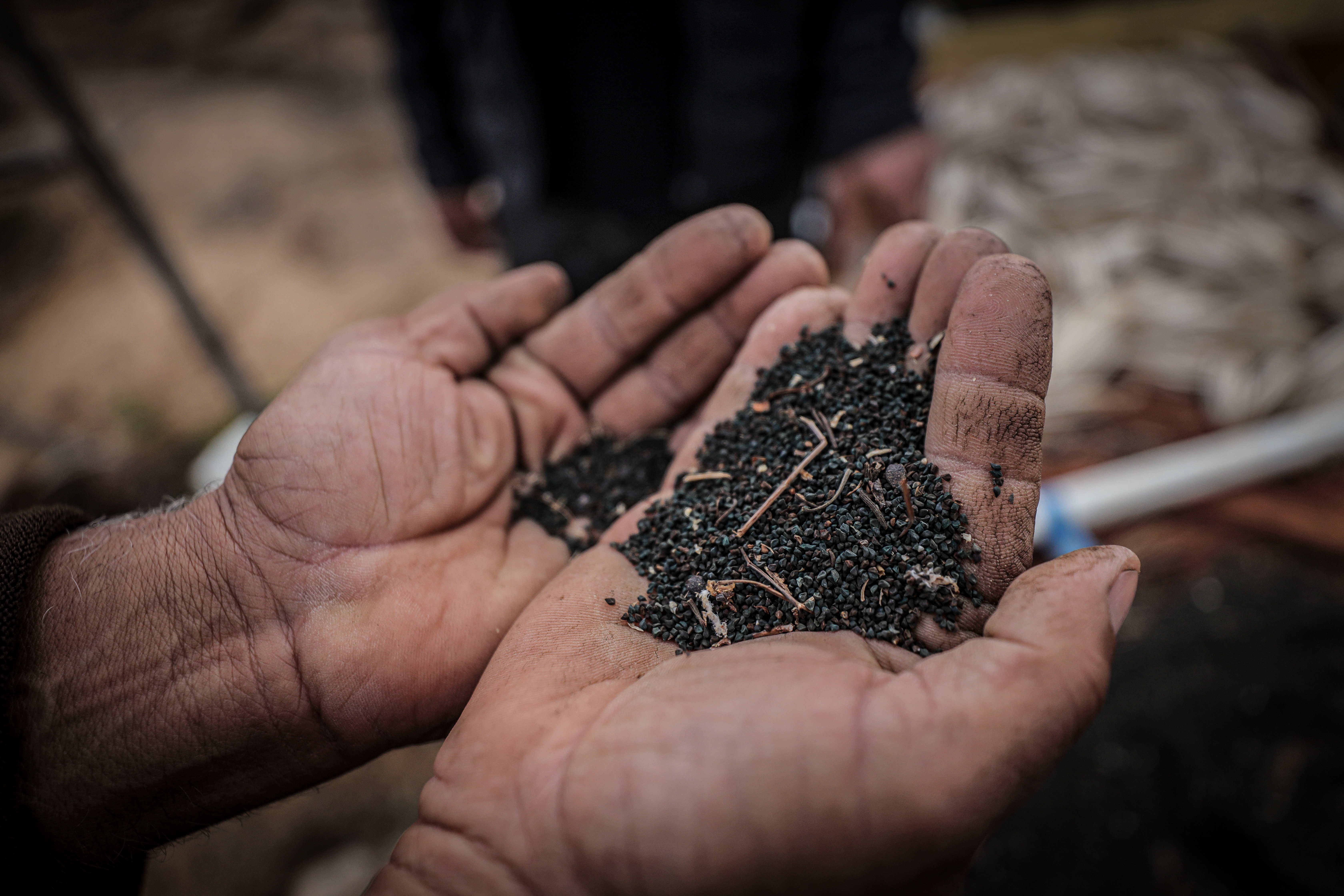
Gaza, Palestine Amjad Al Fayomi
This policy paper, titled “Policy Approaches to the State of Food Sovereignty in the Levant: The Hashemite Kingdom of Jordan, the Lebanese Republic, and Occupied Palestine,” highlights the conditions of food and agricultural systems within a highly fragile regional context, where political instability intersects with economic and environmental crises, alongside growing challenges facing governments in managing productive sectors. The paper adopts food sovereignty as an alternative rights-based and policy framework, emphasizing peoples’ right to control their food systems, protect local production, and ensure equitable access to natural resources—particularly land, water, and seeds.
The paper offers a comparative analysis of Jordan, Lebanon, and Occupied Palestine, highlighting the structural specificities of each case while identifying shared dynamics related to increasing food dependency, imbalances in agricultural policies, and the impacts of occupation, conflict, debt, and donor conditionalities on sovereign food decision-making. It concludes by proposing a set of policy entry points and practical recommendations aimed at reorienting public policies toward adopting food sovereignty as a strategic choice to strengthen resilience and promote food, social, and environmental justice in the Levant.
تتناول ورقة السياسات المعنونة "مقاربات سياساتية حول واقع السيادة على الغذاء في بلاد الشام: المملكة الأردنية الهاشمية، الجمهورية اللبنانية، فلسطين المحتلة" إضاءات حول واقع النظم الغذائية والزراعية في سياق إقليمي شديد الهشاشة، يتقاطع فيه عدم الاستقرار السياسي مع الأزمات الاقتصادية والبيئية، والتحديات أمام الحكومات في إدارة القطاعات الإنتاجية. تنطلق الورقة من مقاربة السيادة على الغذاء بوصفها إطارًا حقوقيًا وسياساتيًا بديلًا، يركّز على حق الشعوب في التحكم بأنظمتها الغذائية، وحماية الإنتاج المحلي، وضمان العدالة في الوصول إلى الموارد الطبيعية، لا سيما الأرض والمياه والبذور.
وتقدّم الورقة تحليلًا مقارنًا بين الأردن ولبنان وفلسطين المحتلة، في محاولة لإبراز الخصوصيات البنيوية لكل حالة، إلى جانب القواسم المشتركة المرتبط بتزايد التبعية الغذائية، واختلال السياسات الزراعية، وتأثير الاحتلال والنزاعات والديون وشروط المانحين على القرار السيادي الغذائي. كما تخلص إلى جملة من المداخل السياساتية والتوصيات العملية التي تهدف إلى إعادة توجيه السياسات العامة نحو تبنّي السيادة على الغذاء كخيار استراتيجي لتعزيز الصمود والعدالة الغذائية والاجتماعية والبيئية في بلاد الشام.
About the Author:
Abdalaziz R. Al-Salehi is a Palestinian researcher in the fields of social sciences and humanities. He holds a Master’s degree in Sociology from Birzeit University (West Bank, Palestine). Al-Salehi has worked with several Palestinian NGOs in research and coordination roles and has authored a number of published studies.
:حول معد الورقة
عبدالعزيز ربحي الصالحي هو باحث فلسطيني في حقل العلوم الاجتماعية والإنسانية، حاصل على درجة الماجستير في علم الاجتماع من جامعة بيرزيت. عمل الصالحي مع عدة منظمات غير حكومية فلسطينية في أدوار بحثية وتنسيقية وله العديد من الدراسات المنشورة.