Pulse Check Experience at the Deaconess Foundation
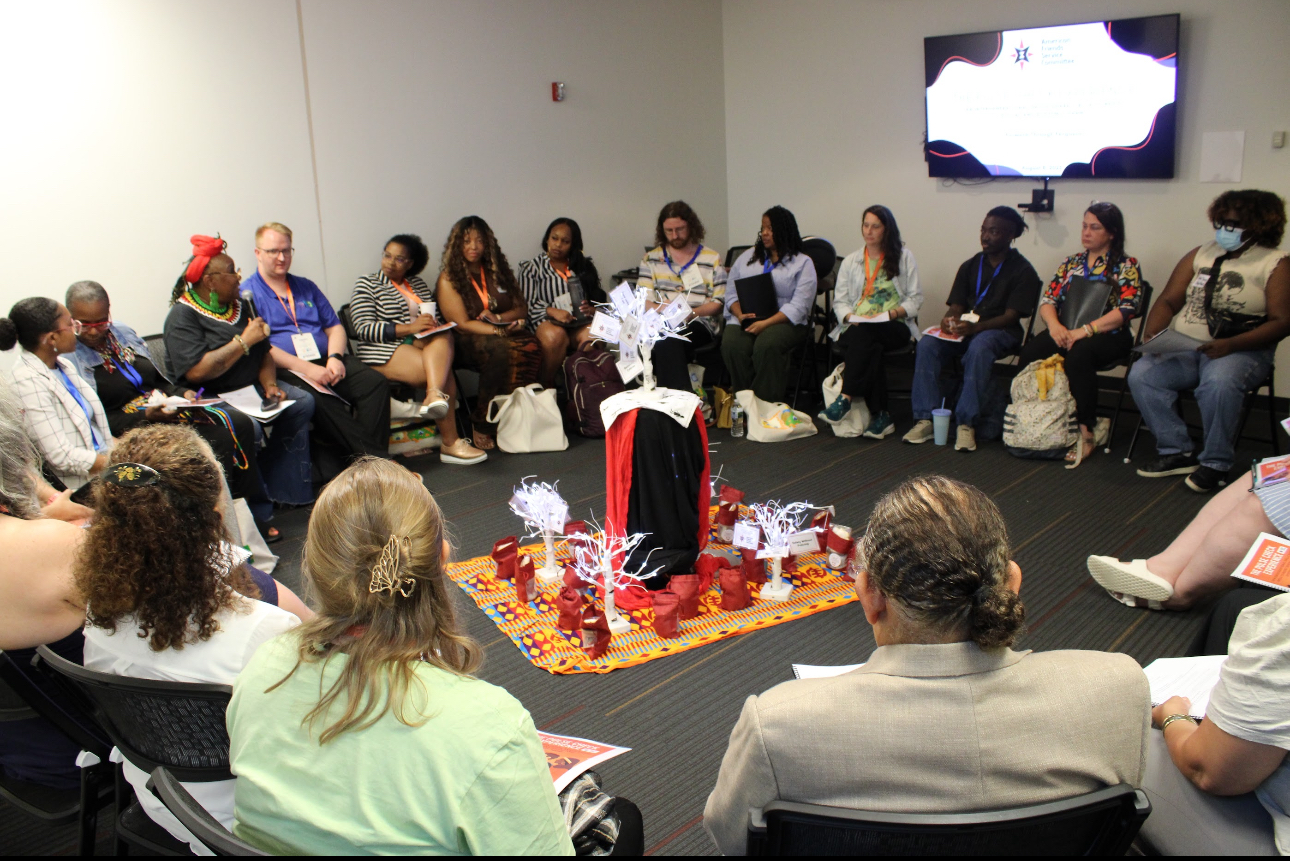
The most meaningful moment of the past year for AFSC St. Louis was our inaugural Pulse Check Focus Group—an intergenerational gathering that convened youth, parents, educators, school staff, organizers, activists, attorneys, and even representatives from the Mayor’s Office into one brave, sacred circle of truth-telling.
In the chapel of The Deaconess Foundation (one of our community partners), people who rarely share space spoke vulnerably about harm, hope, safety, and what St. Louis youth truly deserve. Barriers dissolved. Wisdom flowed across generations. And, for the first time, the community began to collectively articulate a vision for transformation that still anchors our work today.
The relationships formed that evening—some of which continue to guide and accompany us—reminded us that systems change begins with people choosing to see one another, listen deeply, and imagine together.
It was the clearest evidence that our intergenerational model positions St. Louis Peacebuilding to advance abolition not as theory but as lived practice—healing-centered, youth-inspired, community-rooted, grounded in collective care, and shaped by the wisdom and leadership of those most impacted.
At AFSC's Forward Through Ferguson Pulse Check Experience
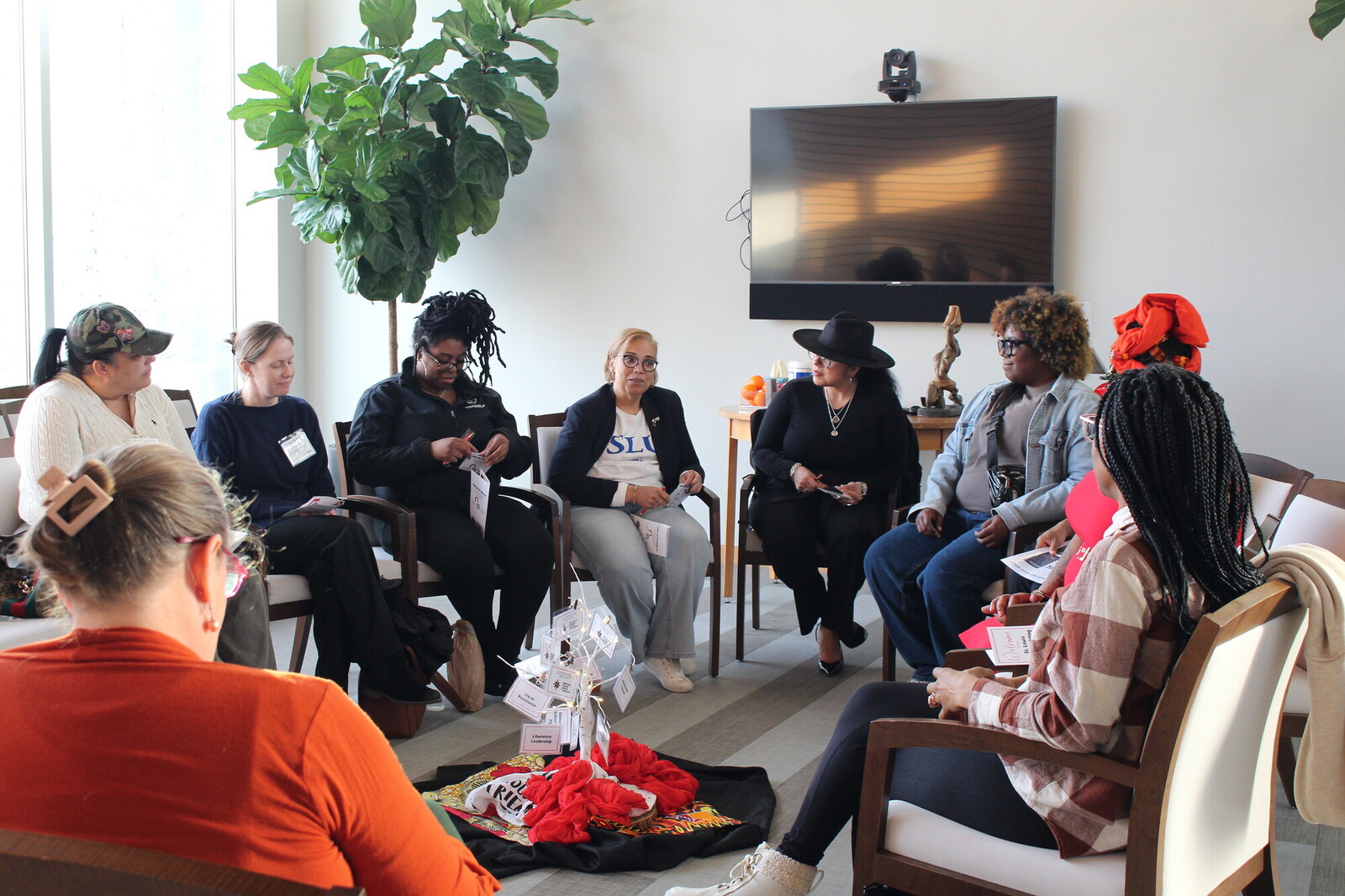
In August, AFSC shared our Pulse Check Experience at the Forward Through Ferguson Racial Equity Summit.
Our session (“An Intergenerational Skills Share Circle to Resist Social and Systemic Harm”) explicitly focused on non-punitive approaches to conflict, community-led safety, and healing justice. Youth and adults practiced de-escalation tools, grounding rituals, and restorative frameworks as pathways beyond criminalization.
The gatherings at Deaconess and Forward Through Ferguson engaged youth, parents, elders, educators, school staff, organizers, attorneys, and representatives from civic institutions. In both settings, elders showed genuine willingness to hear youth perspectives without defensiveness, and youth expressed feeling seen, respected, and taken seriously by adults in the room.
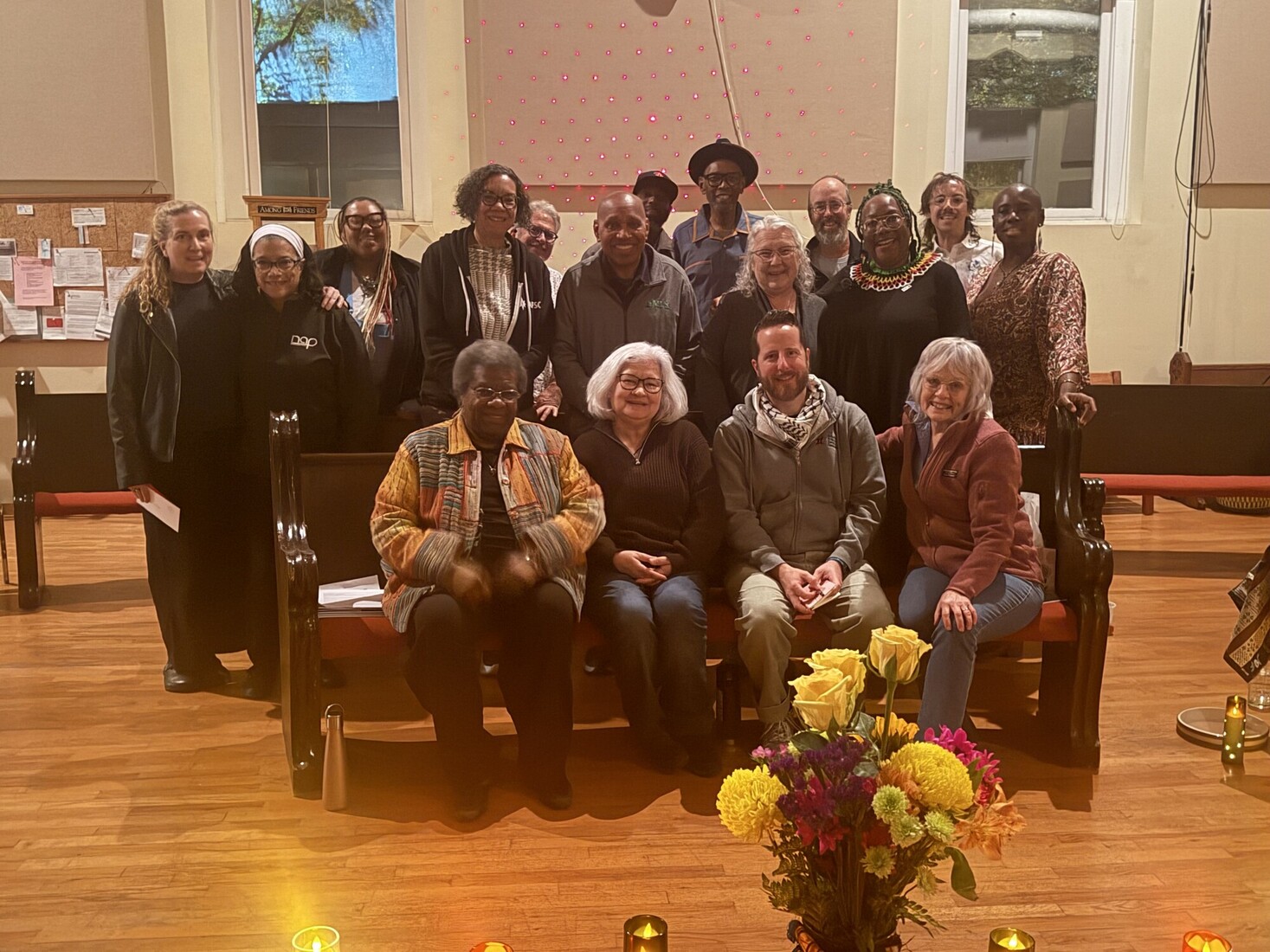
AFSC Midwest Regional Group members and staff met with community partners in October and toured areas hit by the May 2025 tornado. Jazmine Starks
Following the May 16, 2025 tornado, AFSC partnered with organizers who intentionally modeled community care outside systems of policing and state surveillance. Youth and elders coordinated wellness check-ins, resource distribution, and neighborhood-based support — demonstrating that safety can be created through connection, not enforcement.
AFSC supported community members in co-regulating through crisis—slowing down, listening deeply, and tending to grief in collective ways. Across settings, healing-focused tools shifted conversations from “Who is at fault?” to “What happened, what’s needed, and how do we repair?”
This shift is helping communities move toward a restorative orientation: one where justice is relational, healing-centered, and grounded in the lived wisdom of those most impacted.
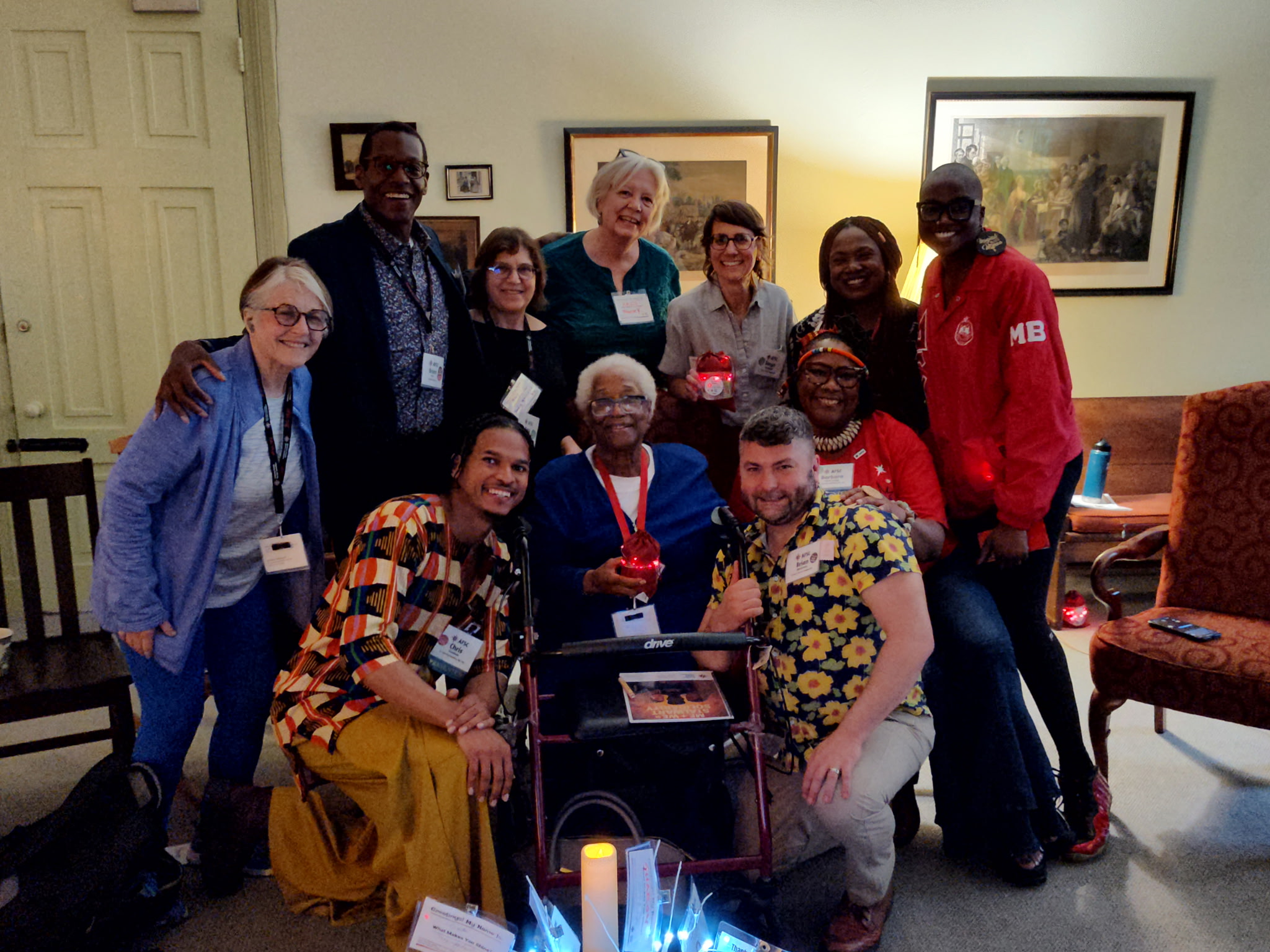
Attendees of the St. Louis presentation at the AFSC Corporation meeting
At the AFSC Corporation Meeting in April, AFSC St. Louis presented a workshop on (Me + We = Stalwart Solidarity). The workshop explored the transformative power of audacious allyship, using the historic relationship between Quaker activist Prudence Crandall and her student, Sarah Harris, as a lens to examine the role of individual courage in collective justice movements.
Co-creating and facilitating an intergenerational workshop with colleagues from multiple regions affirmed the relevance of our St. Louis narrative to national conversations on allyship, justice, and Quaker witness.
Peer mediation work
Throughout 2025, AFSC made meaningful progress toward revising our peer mediation curriculum by grounding updates in the lived experiences and priorities voiced by youth. Feedback from Pulse Check surveys and focus groups, as well as school-based conversations at Vashon and Gateway, highlighted specific needs around emotional regulation, identity, accountability without punishment, and real-world conflict scenarios.
Based on this input, we began reshaping core elements of the curriculum, including:
- Integrating more co-regulation and grounding practices,
- Using conflict examples directly generated by youth,
- Adding self-regulation tools enhanced with mediation steps, and
- Incorporating restorative questions that speak to belonging, dignity, and emotional safety.
We also piloted several of these adjustments in existing peer mediation sessions and used youth and educator reflections to guide further refinement. Together, these steps have meaningfully reshaped the curriculum at the conceptual and practice level, with continued refinement planned as youth and community feedback evolves.