Photo: Amjad Al Fayomi
We are grateful for your support of our relief efforts in Gaza. Thanks to your generosity, we have provided food, water, hygiene kits, and other lifesaving aid to more than 1 million displaced Palestinians and so much more.
The need has not let up. A ceasefire was declared in October 2025. But as of this writing, Israel has continued its attacks and obstructed humanitarian aid from entering Gaza.
We will not step back. Our team on the ground is ready to meet each new need as it arises. Here is some of what we have accomplished together over the past year.
Helping Gaza farmers reclaim their land
Amjad Al Fayomi
Many of Gaza’s farmers have seen their lands stolen, burned, and razed multiple times. Nearly 90% of farmland has been destroyed.
Today, farmers can only access about a third of damaged farmland. Yet where they can, they return. They plant again. They refuse to let their connection to the land be severed.
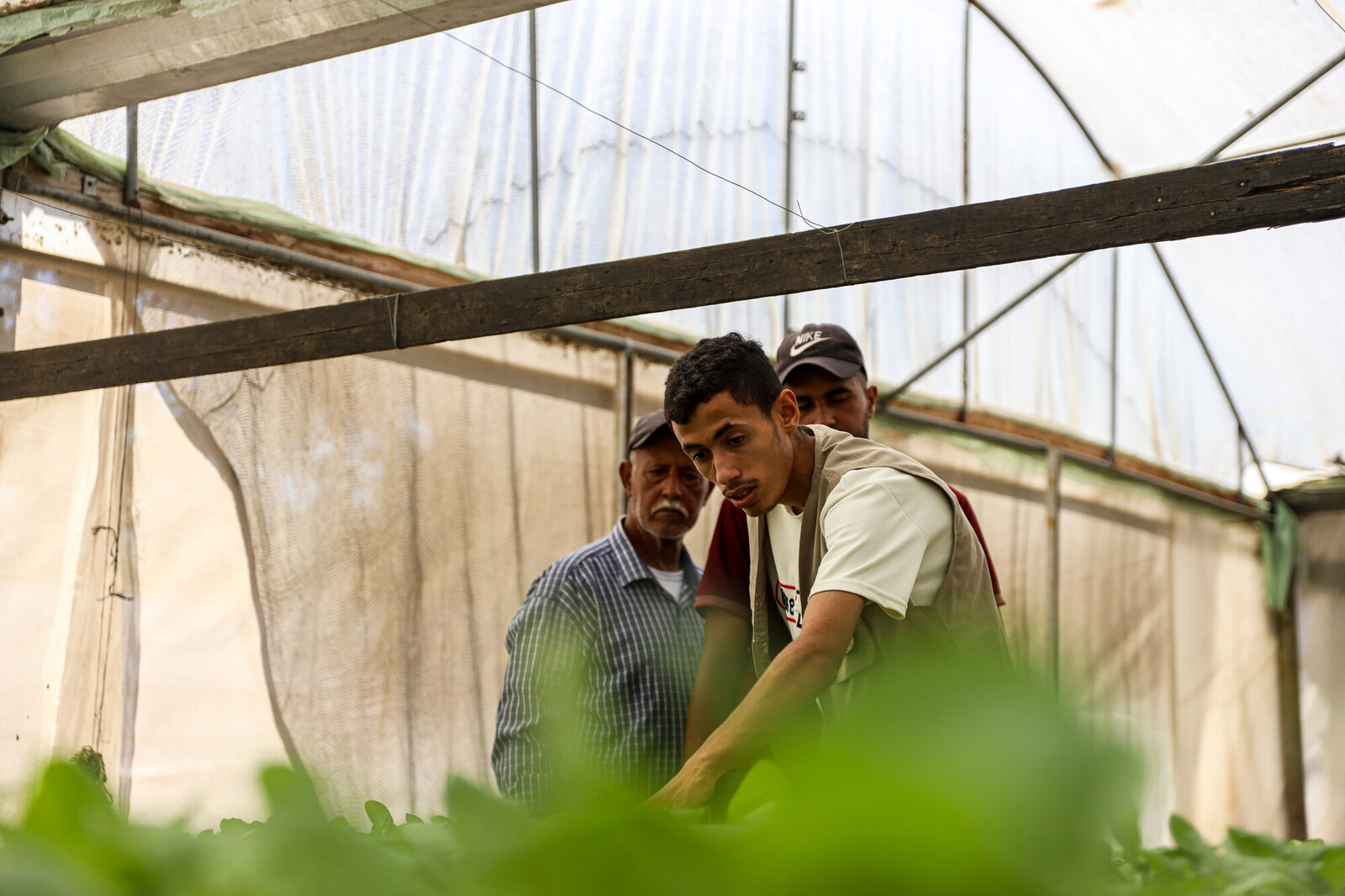
Through AFSC’s emergency agricultural support program, we are helping 19 of these farmers restore what has been destroyed. We are providing them with seedlings, fertilizer, and pesticides and helping them rehabilitate damaged lands and greenhouses.
Today, these farmers are growing tomatoes, cucumbers, eggplants, peppers, and zucchini. Much of what they harvest is distributed to displaced families and to field kitchens that sustain communities.
Since July 2025, our team has distributed over 2,500 vegetable kits sourced directly from Gaza farmers, reaching more than 18,000 people. Every seed planted today is a promise that Gaza will live.
Building community amid the rubble
Waleed Abdelghafour
More than two years of genocide have left Gaza in ruins. Nearly every public building has been destroyed. But amid the devastation, life persists—and so does the need for Palestinians to gather, learn, and heal together.
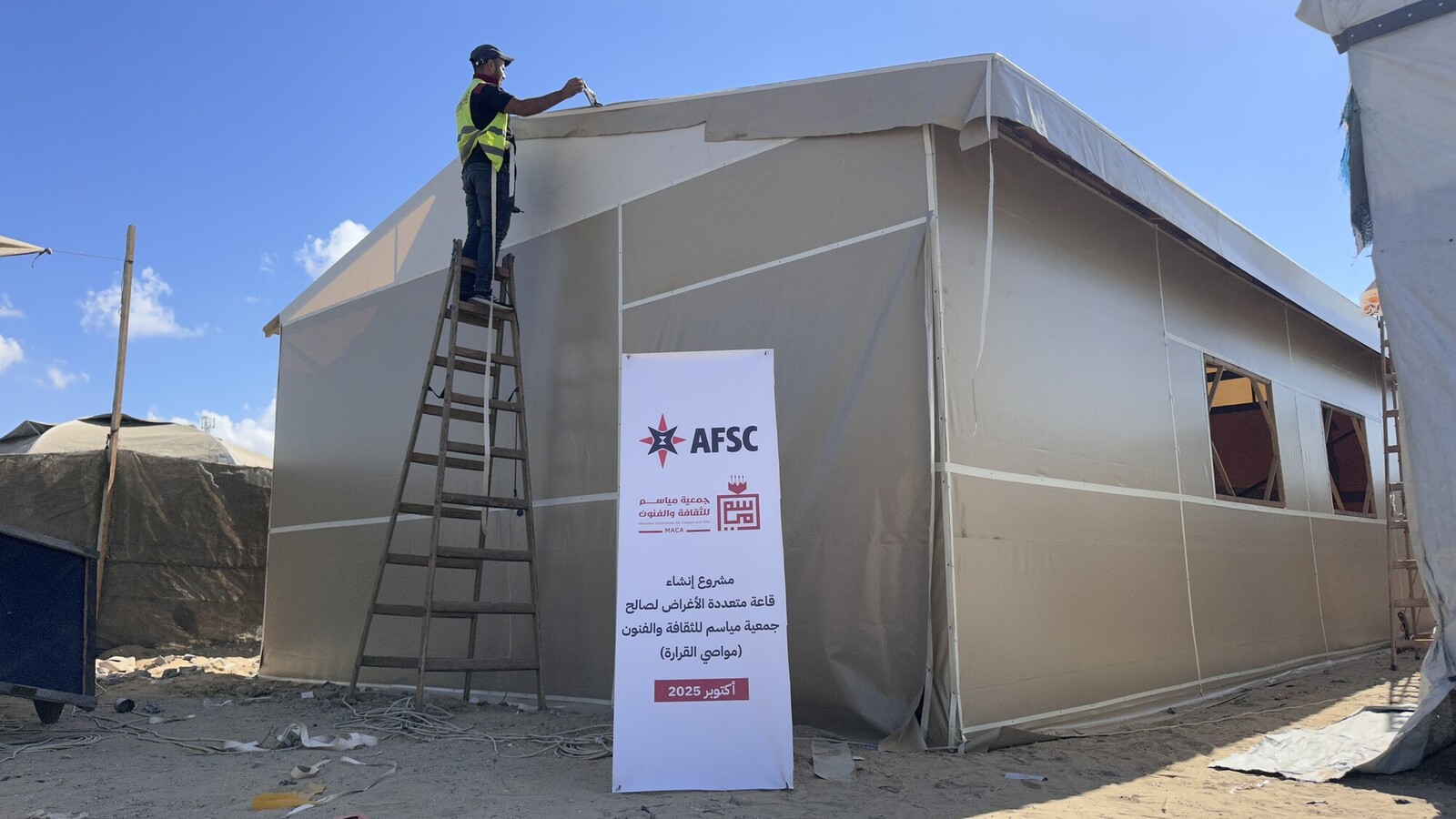
AFSC funded the construction of an 80-square-meter multipurpose hall in the Mawasi area of Khan Younis. This new community space is providing displaced Palestinians with something that has become very rare: a safe place to come together.
Since opening last fall, the hall has hosted workshops, meetings, and community activities. Students use it to pursue their studies online. Community members gather for trainings and support sessions. In a landscape where so little remains intact, this hall is more than a building. It’s a place where community endures.
Children in Gaza reclaim their right to learn
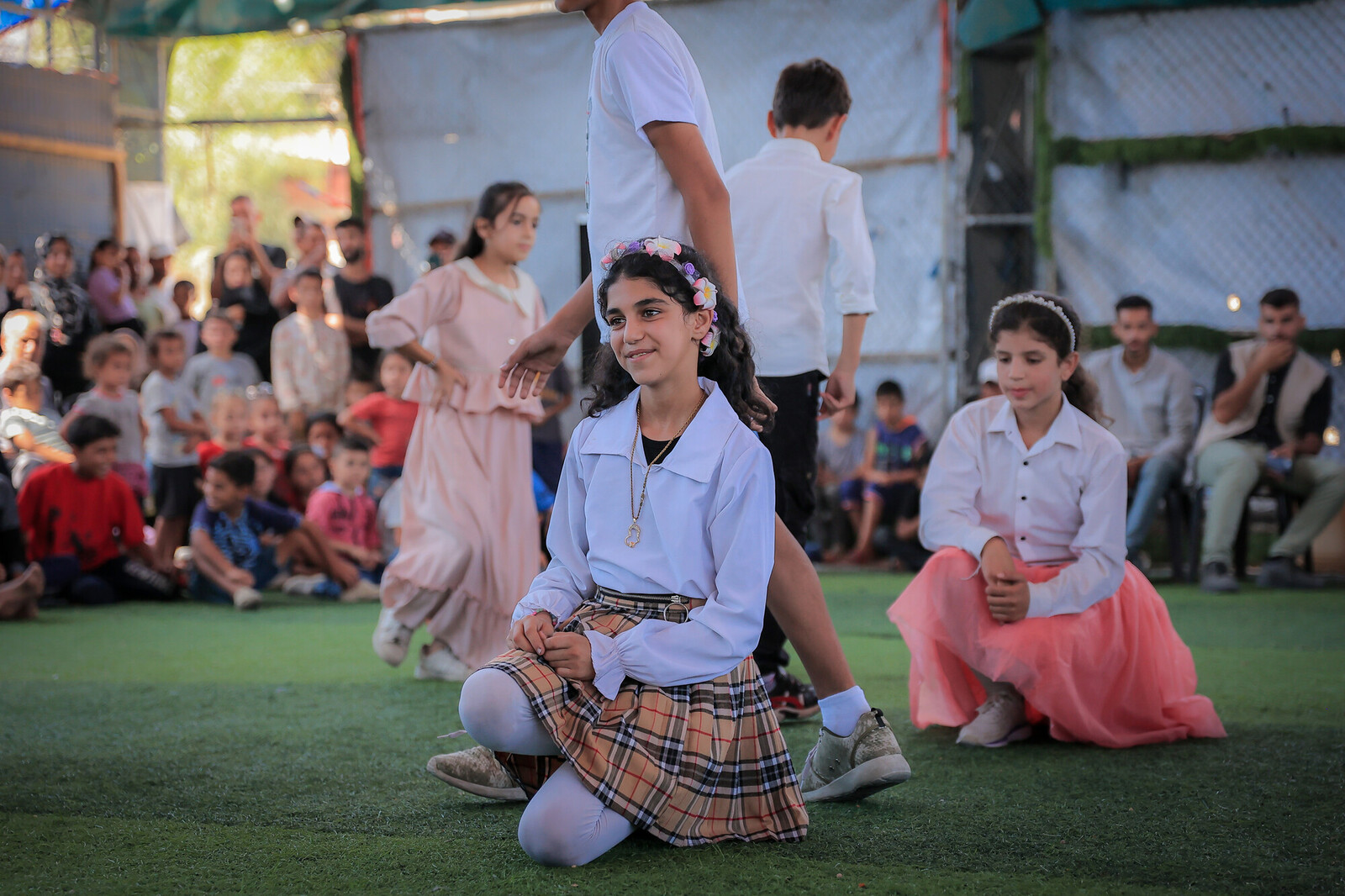
Amjad Al Fayomi
“This is the only place we feel safe. This is where we can finally be children.”
These words come from children in AFSC’s learning spaces in Gaza. These are children who hadn’t seen a classroom in over two years. Whose days had been reduced to waiting in lines for water and bread. Who have lost parents, siblings, or other family members, as well as their homes.
Since mid-2025, AFSC has provided educational activities and psychosocial support to more than 1,800 children aged 6 to 12. And we plan to reach hundreds more.
The changes our facilitators have witnessed are profound. Children who were shy, withdrawn, or struggling are now confident and engaged.
At a recent graduation ceremony, children expressed themselves through music, dance, and theater. One parent told us that their children have “graduated as new versions of themselves.” Gaza’s children have already faced the unimaginable. These spaces help return some of what has been taken—the chance to simply be children.
Providing nourishment and warmth during winter in Gaza
For families living in tents and damaged homes, no season is easy. But winter is especially harsh, bringing cold, storms, and flooding. Our team was determined to respond to those needs. Working with local partners, we distributed winter blankets, clothes and mattresses and built tents for over 4,000 displaced people.
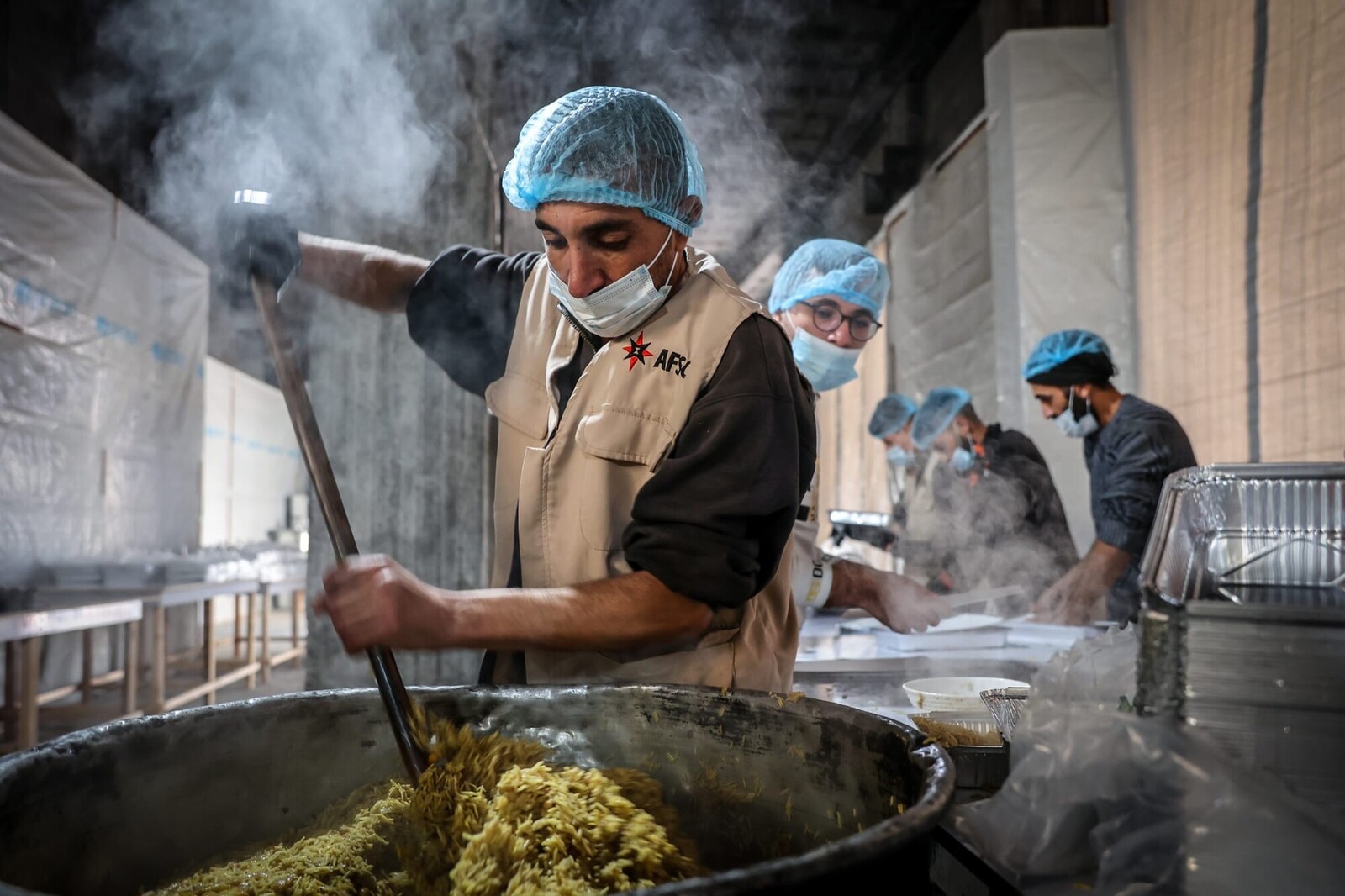
When meat returned to local markets in Gaza in January 2026, we found another way to help. We partnered with local kitchens to provide families with something they had been missing: a hot, nourishing meal. With the help of volunteers, we delivered meals to more than 9,000 people.
These meals of chicken and rice were more than food. They offered rare moments of comfort and restored some dignity amid more than two years of crisis.