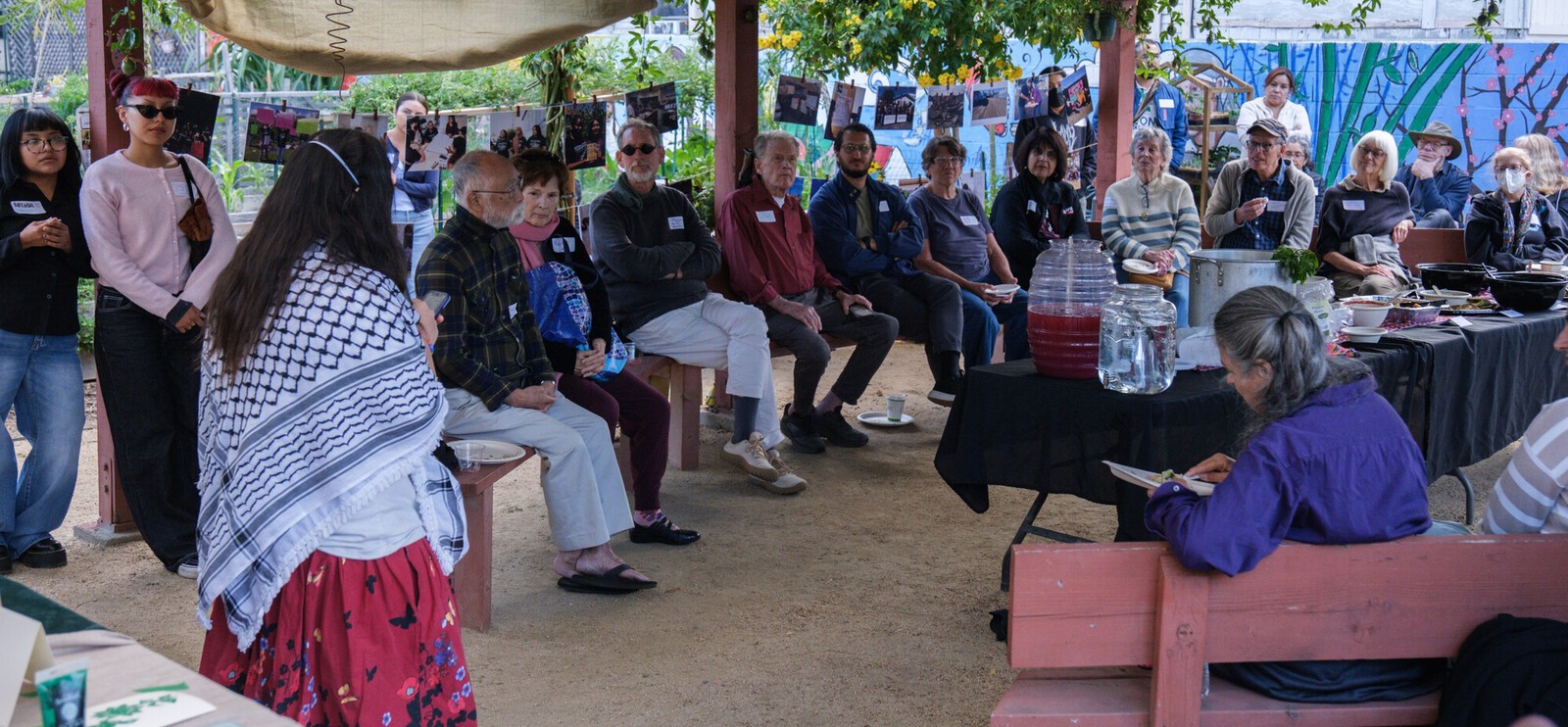
Roots for Peace held its May 2026 Open House at the Corazon de La Gente Community Farm. AFSC youth organizers, alumni, community members and Friends gathered for a wonderful evening of fellowship. Jayrol San Jose
Everyone should have access to good nutritious produce and to green space. It’s also imperative that neighborhood residents have a say on how land is used in their community. But this has not always been the case in South Central Los Angeles.
Our community farm is a testament to how organizations can walk in solidarity with people directly impacted by injustice to ensure their voices are not only heard but that their hopes are put into tangible reality. In 2015, AFSC began to accompany local residents and partners in transforming a 30-year vacant lot into a vibrant community farm.
Since then, we have worked together to make the project completely sustainable to ensure its longevity. Community members and local partners are now fully responsible for the farm. Below are some of the key moments in the history of this effort.
The original South Central farm, the largest urban farm in the U.S., began in 1994, prior to AFSC’s involvement. It was destroyed in 2006, and the land was developed into warehouses in an already densely industrial area. This loss deeply harmed the community but also motivated people to organize for new urban agriculture spaces across the city and beyond.
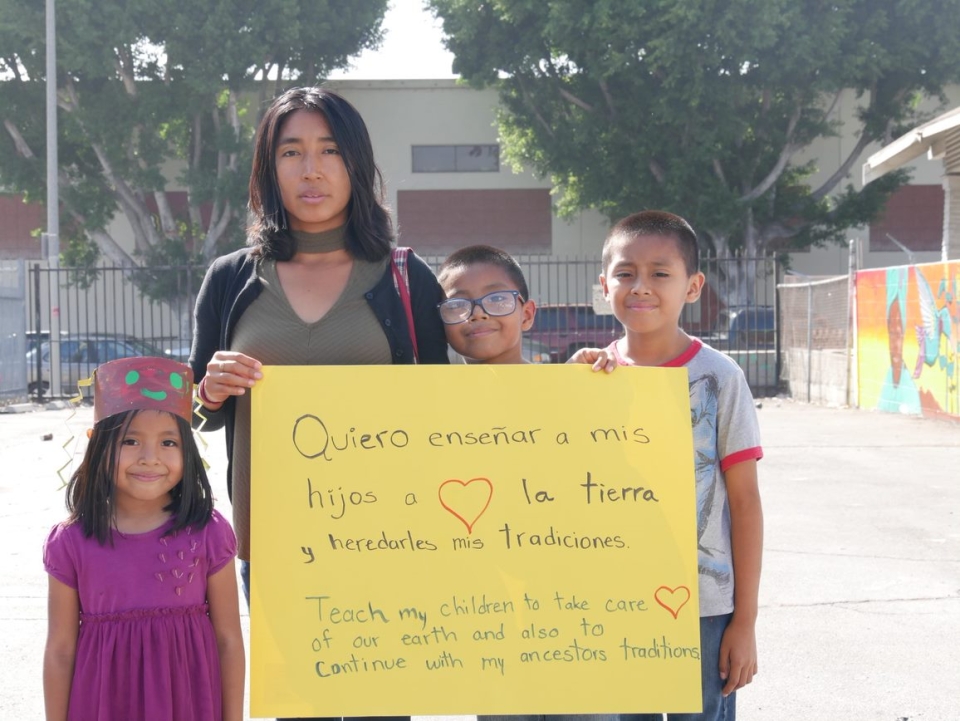
In 2015, AFSC’s Roots for Peace program established the Food Growers Network. We held demonstrations urging the LA City Council to support the use of vacant lots for urban agriculture. This resulted in the adoption of Urban Agriculture Incentive Zones, a policy which has led to more urban farms across the city. We supported successful community calls for funding and launched a collective farm design process. (Unless otherwise noted, all photos: AFSC.)
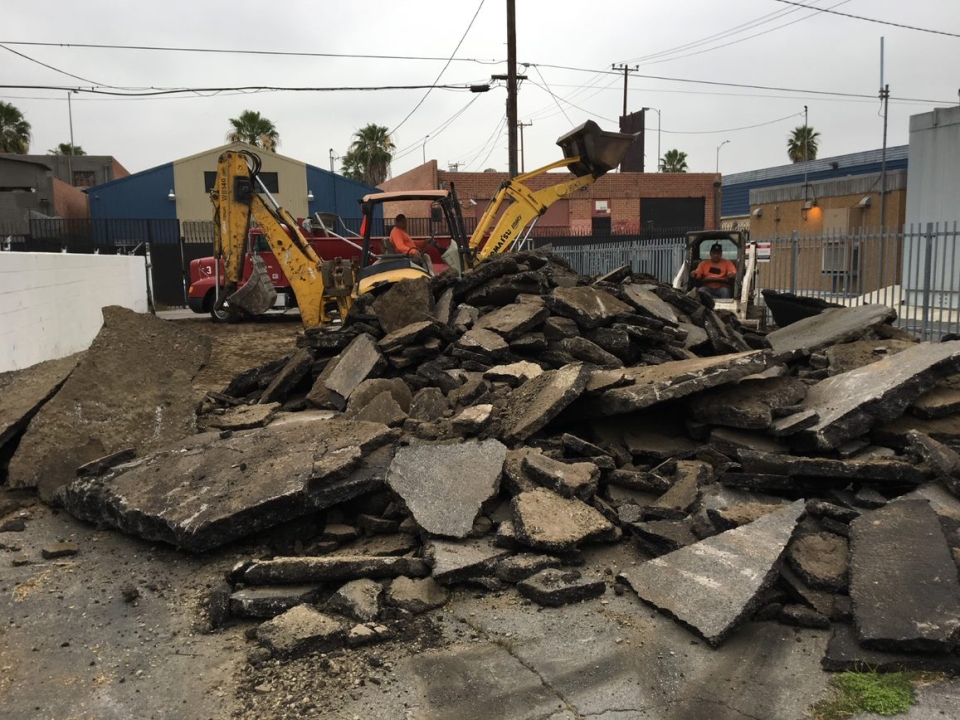
In 2018, we began removing asphalt and gravel from the lot, amending soil and building our first vegetable beds.
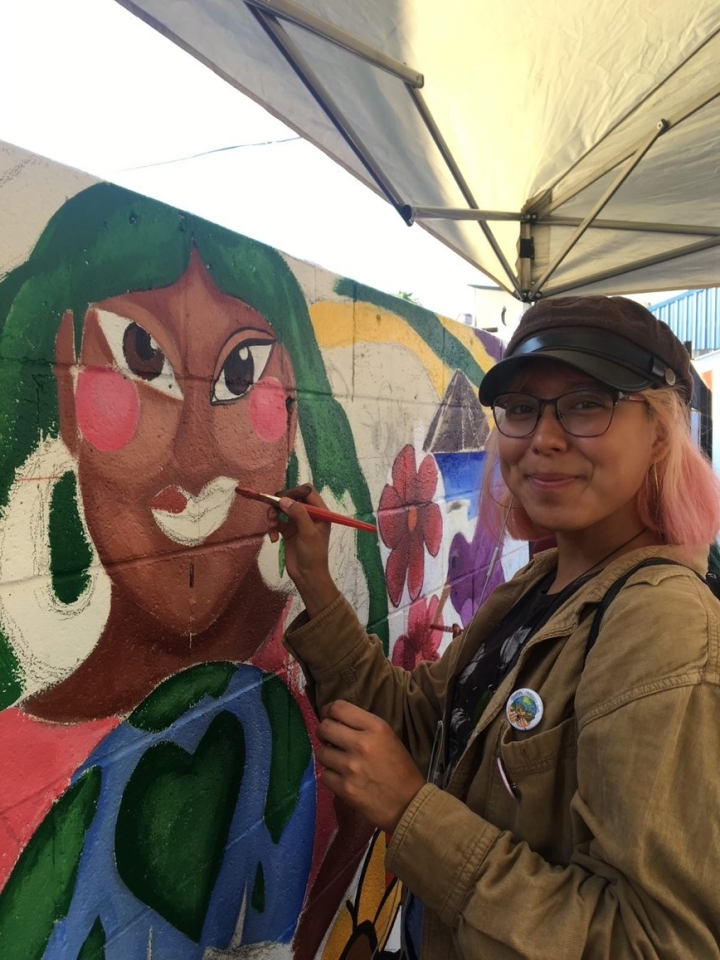
In 2019, AFSC Freedom School youth designed and painted a mural on site highlighting the importance of taking action to grow a more sustainable and just world. They also worked with the land and each other to grow food.
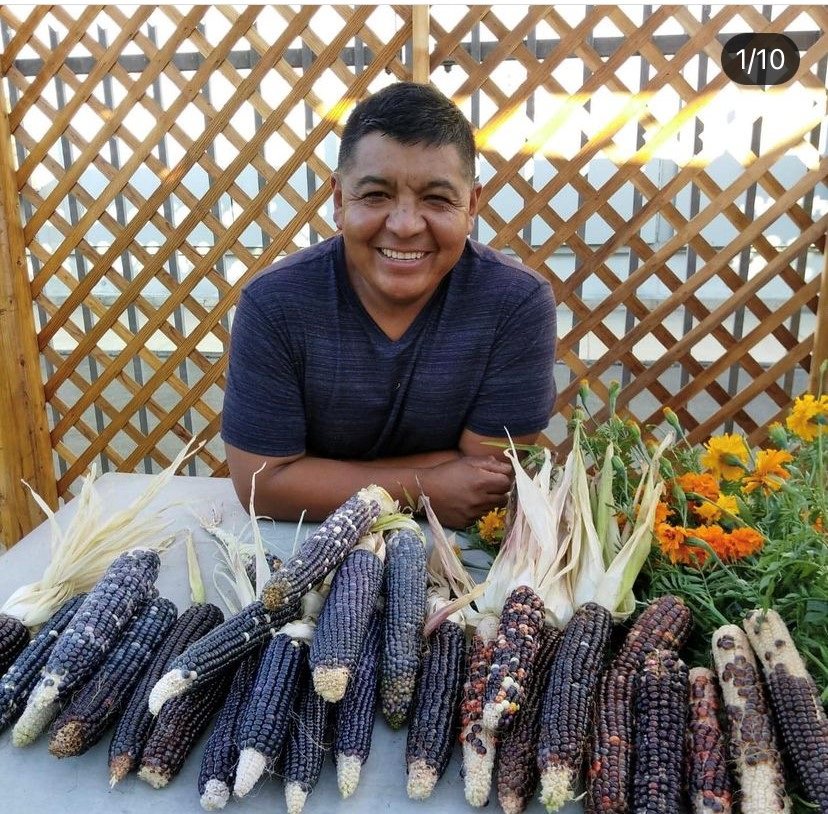
Later that year, we celebrated our first harvest, including growing corn using ancestral techniques.
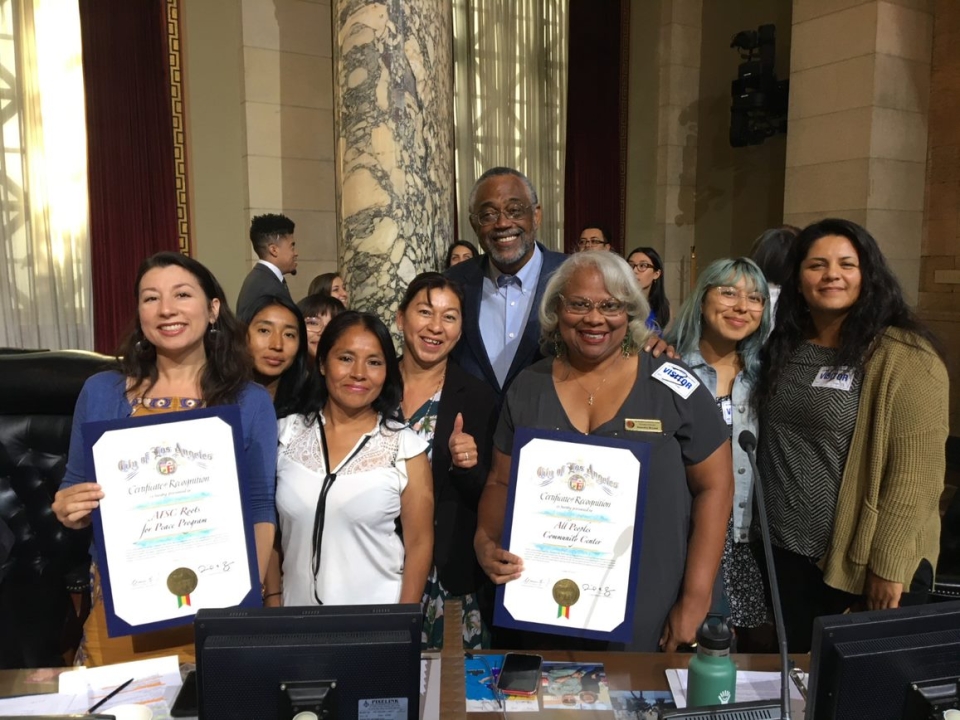
Also in 2019, AFSC and our partners at All Peoples Community Center (APCC) received the Good Food Champions Award from the City of Los Angeles. (photo: APCC)
Throughout this process AFSC has promoted a "Community Leadership Model." This supports directly impacted immigrant families to have power, grow their leadership skills, and cultivate long-term sustainability at the farm.
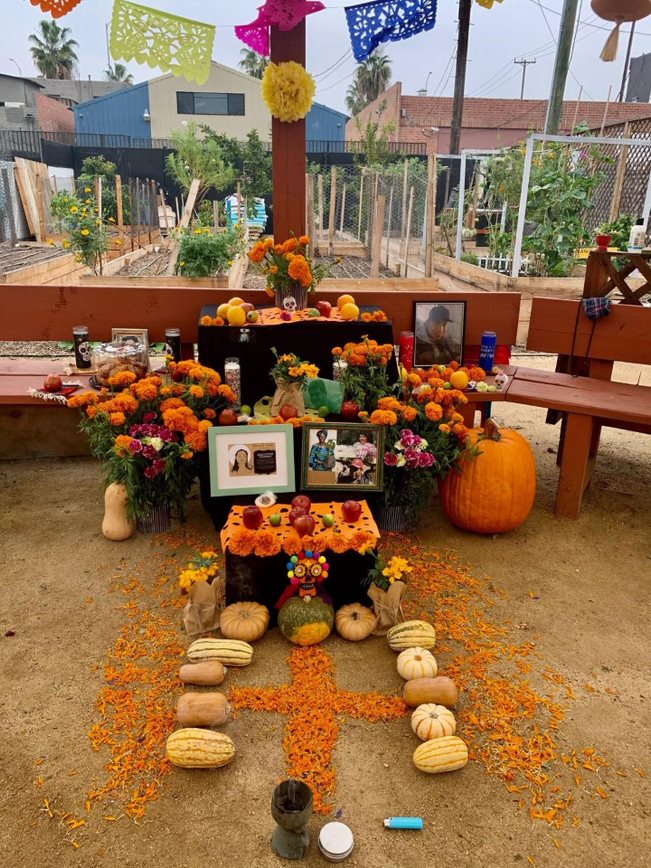
Throughout the years, the community has used the community farm to hold important gatherings and celebrations. These include our annual Dia de Los Muertos altar and event.
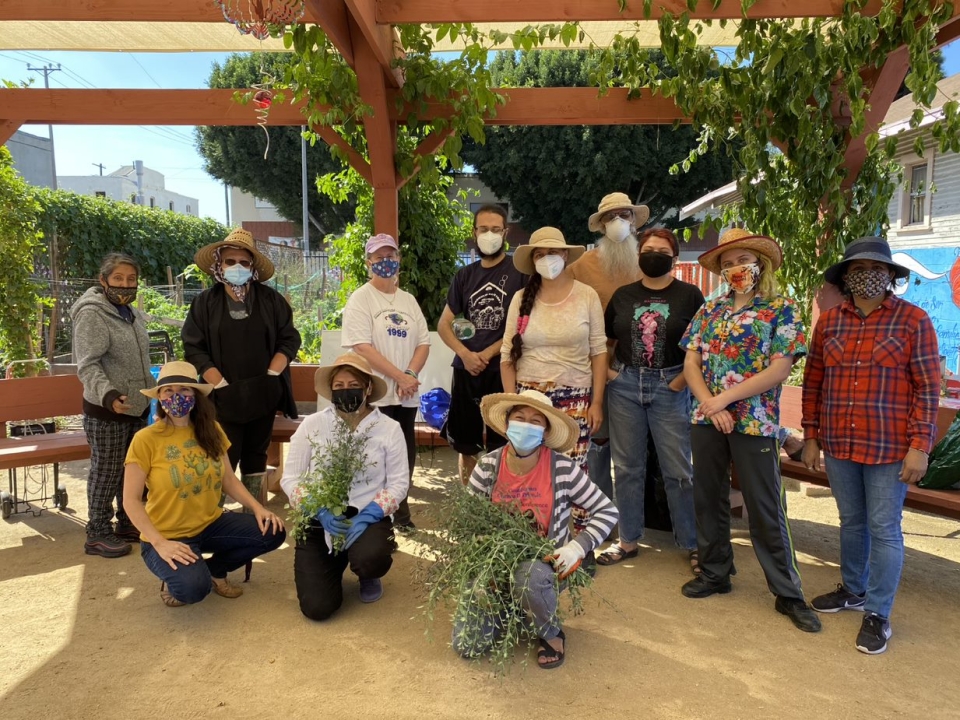
Friends Meetings from Whittier, Pasadena, and Santa Monica have supported the farm since its inception. Quakers have helped in a variety of ways, including volunteer workdays.
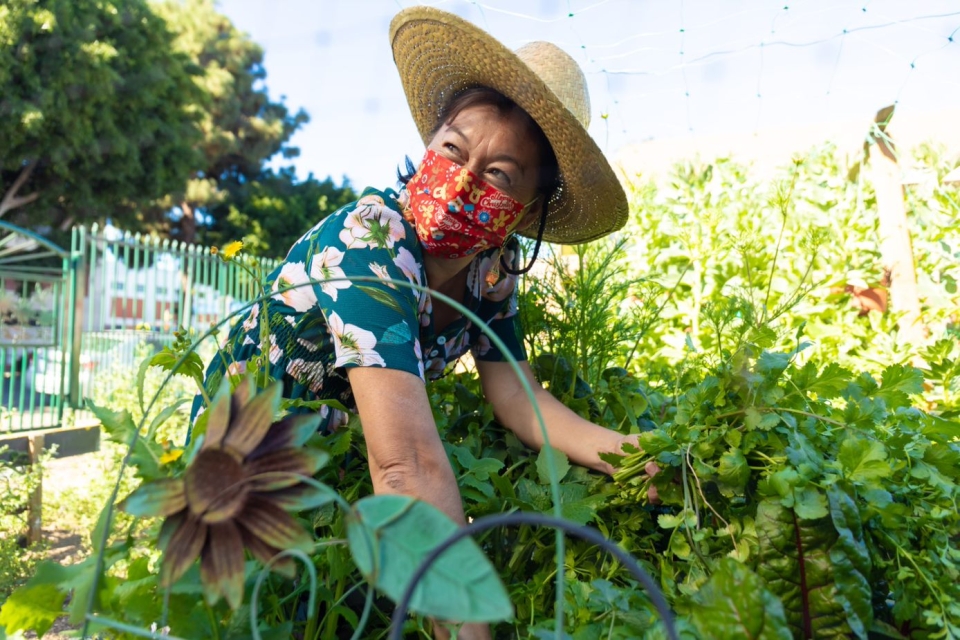
In 2022, Reina Flores took on the official position of Farm Facilitator. She's been a leading member and food grower with Roots for Peace for many years.
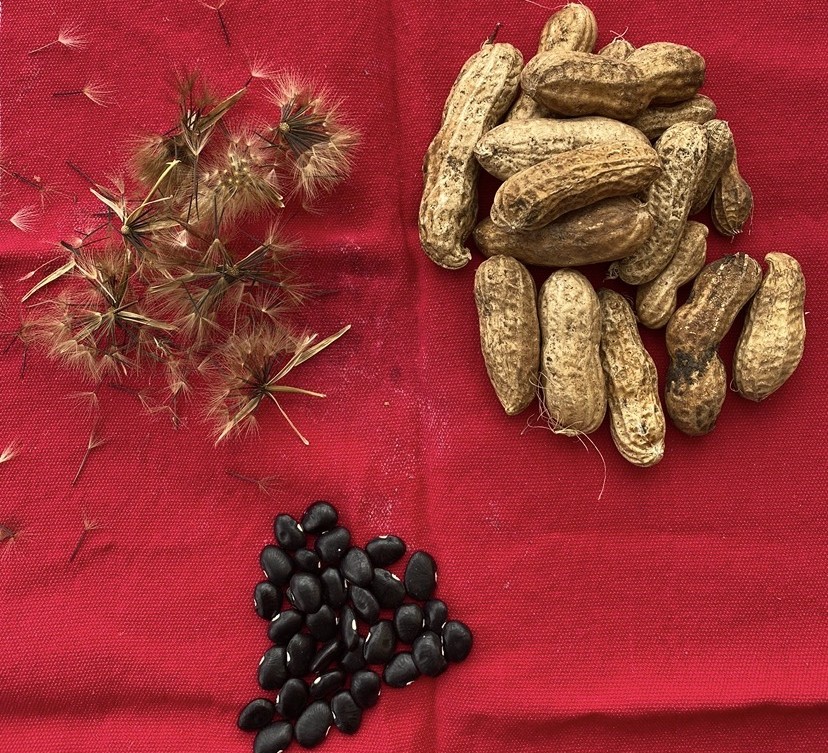
Over 20 adults and youth attended our 2024 Ancestral Seeds event. Three seeds/plants were highlighted, including papalotl, peanuts, and tapacal. Each seed/plant was introduced by a community farm member who has brought, grown, and successfully promoted this seed/food in the community.
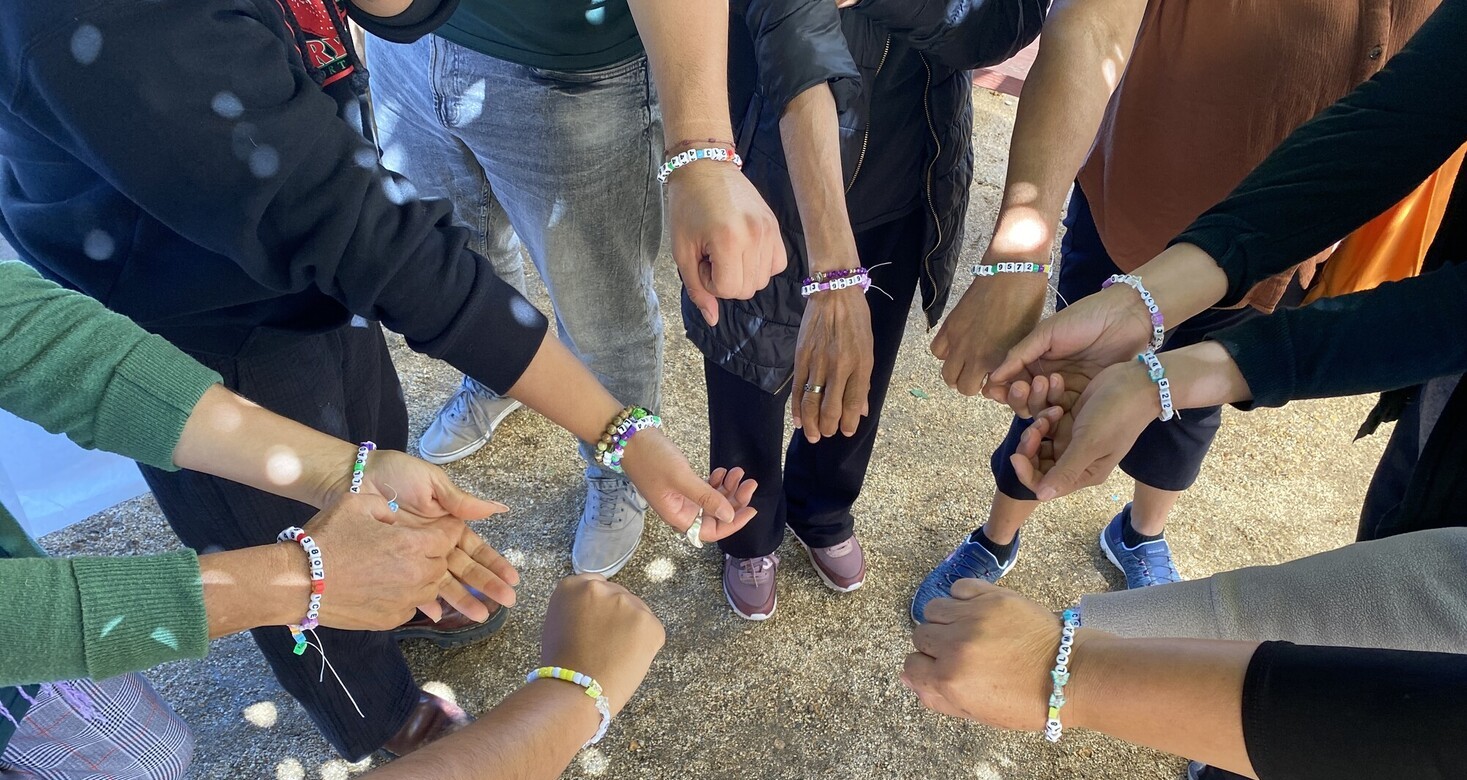
In 2025, AFSC supported immigrants directly impacted by local raids who have participated in our program and/or reached out for help. One form of support was mutual aid, including delivering produce from the Community Farm. We also offered a Know Your Rights/support session at our farm for ten participants, who made bracelets with their emergency contact information. The idea is that if they are taken by ICE, they can throw the bracelet to an onlooker and ask them to call the number to notify a family member that they have been taken.
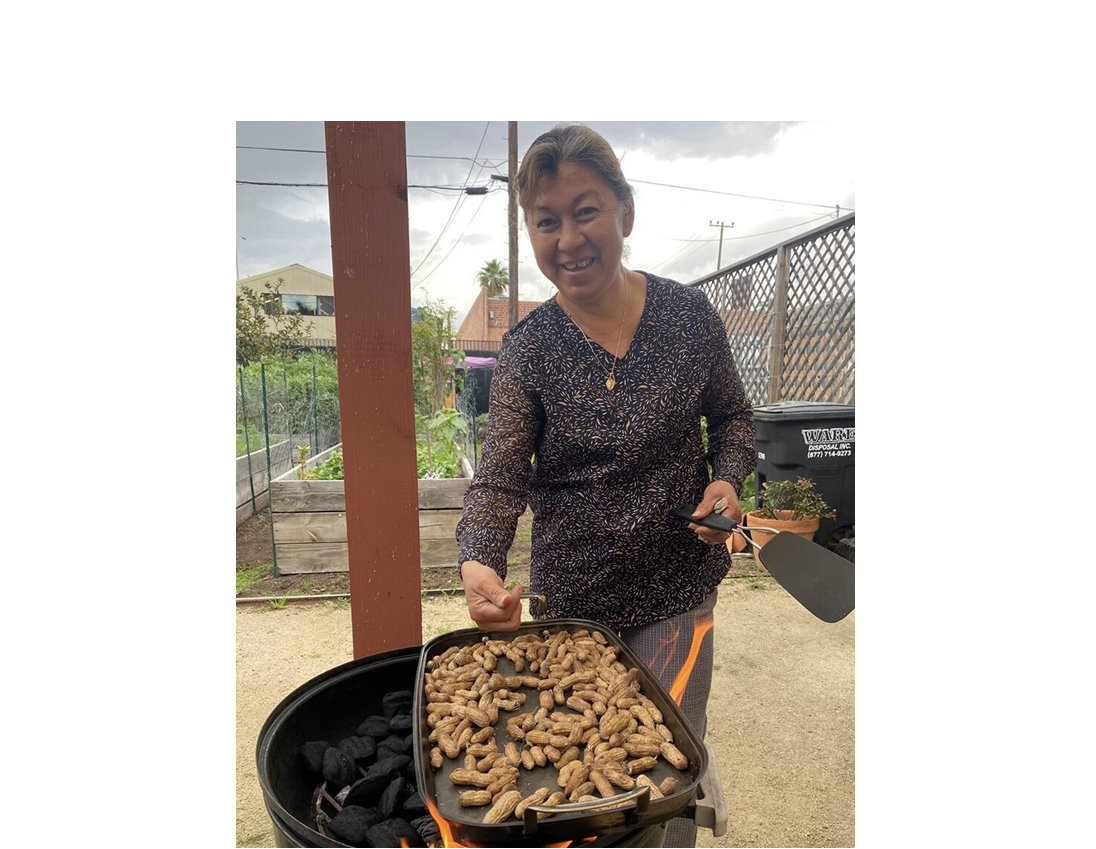
In 2026, 21 families continue to grow food -- and roast peanuts -- at Corazon de La Gente. Recent harvests have included over 100 pounds of chayote, a green vegetable native to Mexico, and winter vegetables including kale, chard, beets, snap peas, favas, and carrots. The farm has also used recently for nutrition classes, a youth music event, immigrant support groups, and a composting workshop.
Thank you to everyone in the AFSC community who has helped make this project possible. We appreciate your ongoing support!